
कृपया इसे हिंदी में पढ़ने के लिए यहाँ क्लिक करें
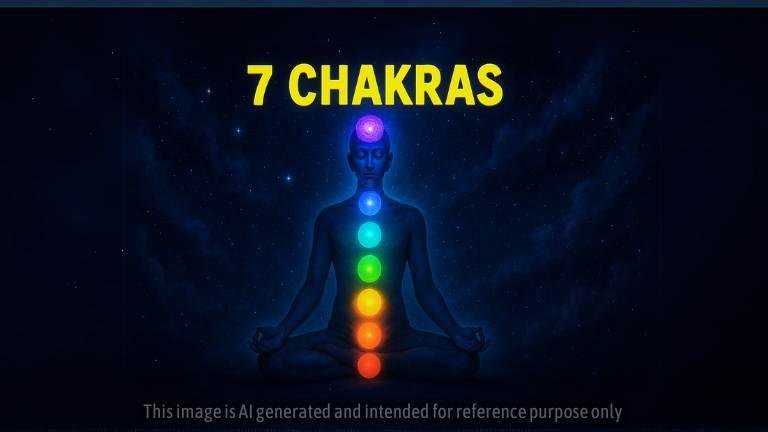
The concept of the seven chakras originates in ancient Indian traditions as vital energy centers that govern our physical, emotional, and spiritual well-being. Each chakra has a unique Sanskrit name, location along the spine, associated element and function, a one-syllable “bīja” (seed) mantra for activation, and a corresponding sound frequency measured in hertz that resonates with its vibrational quality. Regular chanting of these mantras and listening to their frequencies is said to cleanse, balance, and unblock the chakras, promoting holistic wellness.
Ancient Origins and Backstory
Chakra theory first appears in the Vedas (c. 1500–500 BCE), the oldest sacred texts of Hinduism, where sages described intricate energy channels (nāḍīs) and focal points (cakras) within the subtle body. For centuries, yogis and tantric practitioners refined these concepts, weaving them into meditation, mantra recitation, and healing arts. Scholarly study in modern times has sought to correlate chakra frequencies with acoustics and psychology, although scientific consensus on mechanisms remains emergent.
Understanding the Seven Chakras
1. Root Chakra (Mulādhāra)
- Location & Element: Base of spine; Earth element.
- Function: Provides grounding, physical stability, and a sense of security.
- Bīja Mantra: “LAM” (लं) – chanting LAM vibrates the Mulādhāra, anchoring energy to the earth.
- Frequency: 396 Hz – associated with liberating fear and guilt, often used in foundational meditations.
- Anecdote: Yogacharya Rukmini Devi once humorously noted that beginners often fall asleep when first chanting LAM—proof that grounding can also be deeply relaxing!
2. Sacral Chakra (Svādhiṣṭhāna)
- Location & Element: Lower abdomen; Water element.
- Function: Governs emotions, sensuality, and creativity.
- Bīja Mantra: “VAM” (वं) – resonates with fluidity, helping dissolve emotional blockages.
- Frequency: 417 Hz – known for facilitating change and cleansing past emotional trauma.
- Fun Fact: In Kerala’s Onam festival, dancers often chant VAM before performances to ignite creative flow.
3. Solar Plexus Chakra (Maṇipūra)
- Location & Element: Above navel; Fire element.
- Function: Center of personal power, confidence, and transformation.
- Bīja Mantra: “RAM” (रं) – stokes inner fire, boosting self-esteem.
- Frequency: 528 Hz – famed as the “Love frequency,” also used in DNA-repair sound therapies.
4. Heart Chakra (Anāhata)
- Location & Element: Center of chest; Air element.
- Function: Bridge between lower and higher chakras; love, compassion, forgiveness.
- Bīja Mantra: “YAM” (यं) – opens the heart space to unconditional love.
- Frequency: 639 Hz – harmonizes relationships and community bonds.
5. Throat Chakra (Viśuddha)
- Location & Element: Throat; Ether/Space element.
- Function: Self-expression, communication, truth.
- Bīja Mantra: “HAM” (हं) – clarifies voice and creative articulation.
- Frequency: 741 Hz – cleanses cells and organs, fostering expression of one’s authentic truth.
6. Third-Eye Chakra (Ājñā)
- Location & Element: Between eyebrows; “Mind”/Light element.
- Function: Intuition, insight, inner vision.
- Bīja Mantra: “OM” (ॐ) – considered the primordial sound of creation, bridging material and spiritual realms.
- Frequency: 852 Hz – awakening intuition and returns spiritual order.
7. Crown Chakra (Sahasrāra)
- Location & Element: Top of head; Consciousness element.
- Function: Spiritual connection, enlightenment, pure awareness.
- Bīja Mantra: “OM” or silent resonance – transcends sound, merging with universal consciousness.
- Frequency: 963 Hz – often called the “frequency of the gods,” said to spur cellular regeneration and spiritual awakening.
Integrating Chakra Practices
To experience full-spectrum benefits:
- Daily Chanting: Allocate 3 minutes per chakra, beginning at the root and moving upward, chanting each bīja mantra 108 times.
- Sound Meditation: Listen to tones at the specified frequencies (e.g., using a tone-generator app) to feel subtle vibrations along the spine.
- Mindful Visualization: Visualize each chakra’s color (red, orange, yellow, green, blue, indigo, violet/white) and location while breathing deeply.
- Yoga Asanas: Combine with poses—e.g., Mountain Pose for Mulādhāra, Cobra for Anāhata—to physically embody chakra energies.







Leave a Reply