
कृपया इसे हिंदी में पढ़ने के लिए यहाँ क्लिक करें
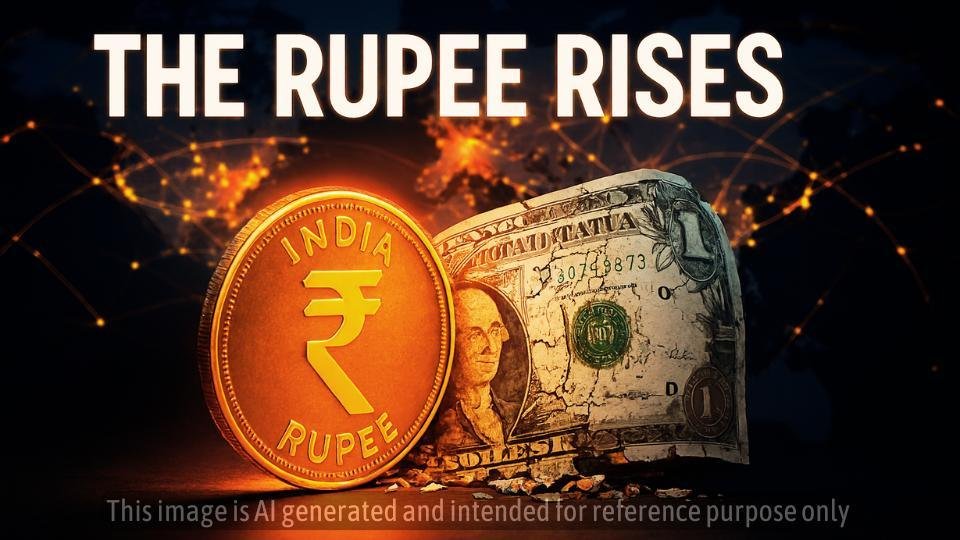
In a significant geopolitical and economic maneuver, India is actively accelerating its strategy to settle international trade in its own currency, the Indian Rupee (INR). This move is a direct counter to pressures from the United States, particularly emphasized during the Trump administration, to maintain the U.S. dollar’s dominance in global commerce. The Reserve Bank of India (RBI) is spearheading this change with a series of bold reforms designed to insulate the Indian economy from external shocks and position the rupee as a key currency in the region.
The “Dollar Diktat” and India’s Strategic Response
The core of this issue lies in a direct clash of economic philosophies. Former U.S. President Donald Trump took a hard stance against countries attempting to reduce their dependency on the U.S. dollar for trade. His administration threatened punitive tariffs and trade restrictions on nations that opted to settle international transactions in their local currencies. The argument from Washington has consistently been that the dollar’s status as the “world’s reserve currency” is vital to U.S. economic influence, and any move away from it undermines this power.
Instead of yielding to this pressure, India has chosen a path of economic self-reliance. Rather than backing down, the nation is fast-tracking its shift towards rupee-based trade settlements. The message to Washington is clear: India will prioritize its economic interests and trade in rupees if it proves beneficial, regardless of U.S. pressure.
How Rupee-Based Trade Works: The SRVA Mechanism
At the heart of this new system are Special Rupee Vostro Accounts (SRVAs). Here’s a simple breakdown of how they function:
- What They Are: An SRVA is an account that a foreign bank opens with an Indian bank. This account holds Indian rupees, which can then be used by foreign exporters and importers to settle trade with India without ever needing to convert their currency into U.S. dollars.
- Example in Action: Imagine an Indian company buying oil from Russia. Instead of paying in dollars, the Indian company can deposit the equivalent amount in rupees into the SRVA of a Russian bank in India. Russia can then use these rupees to buy Indian goods or invest in Indian government bonds.
This mechanism is crucial because it bypasses the U.S. banking system and the SWIFT dollar clearing routes, reducing dependency and potential exposure to American financial sanctions. It also cuts down on foreign exchange conversion costs, making trade more efficient and affordable for both partners.
RBI’s Rapid Reforms to Boost Rupee Trade
The RBI has been instrumental in making this vision a reality through several “rapid-fire” policy changes in 2025:
- January 16, 2025: Liberalizing Foreign Exchange Rules: The RBI allowed overseas branches of Indian banks to open INR accounts for foreigners. This enables non-residents to settle trade using repatriable rupee balances and even invest directly in India.
- August 5, 2025: Simplifying SRVA Opening: In a major move to cut red tape, the RBI announced that authorized dealer banks no longer need its prior approval to open SRVAs for their correspondent banks. This change is designed to dramatically speed up the process of setting up rupee trade settlement arrangements.
- August 12, 2025: Increasing Investment Flexibility: The RBI now permits foreign banks with SRVAs to invest all their surplus rupee balances in Indian government securities without needing to register as Foreign Portfolio Investors (FPIs). This encourages foreign partners to keep their surplus rupees within the Indian financial system.
- August 2025: Expanding Rupee-Rouble Settlements: Further reforms now allow rupee balances in SRVAs to be used not just for oil trade but also for third-country settlements. For instance, Russia could use rupees earned from India to pay a firm in the UAE, expanding the rupee’s utility beyond bilateral trade.
Geopolitical Context and Strategic Benefits
This policy shift is not occurring in a vacuum. It is a calculated move with significant geopolitical and economic advantages for India:
- Reducing Dollar Dependency: By promoting rupee trade, India cuts its exposure to U.S. monetary policy decisions and the risk of sanctions. It also lessens the economic volatility that comes from fluctuations in the dollar exchange rate.
- Strengthening the Rupee’s International Role: This initiative builds trust in the INR as a stable trade currency. It aligns with the RBI’s long-term goal, outlined in its “Rupee Internationalization Roadmap,” to achieve partial reserve currency status for the rupee.
- Improving Trade Balances: This system keeps India’s foreign exchange reserves healthier by avoiding the unnecessary outflow of dollars for trade payments.
- Enhancing Energy Security: Key energy suppliers like Russia, Iran, and some Gulf states have shown willingness to accept rupees. This ensures that India can continue importing critical oil and gas even under the shadow of Western sanctions, thereby securing its energy needs.
Challenges Ahead
Despite the clear benefits, the path to internationalizing the rupee is not without its challenges. Foreign partners must have sufficient avenues to spend their rupee earnings on Indian goods and services to avoid accumulating idle balances. The RBI will also need to carefully manage currency volatility as the use of the rupee in trade increases. Furthermore, some countries may still prefer the global acceptability of the dollar or euro, making widespread adoption a gradual process.
A Message of Sovereignty
India’s push for rupee trade is more than just an economic policy; it’s a statement of strategic autonomy in a world where economic tools are often used as geopolitical weapons. By building a robust, alternative framework for international trade, India is paving the way for a more multipolar global financial system, with the rupee playing a central role.









Leave a Reply