
कृपया इसे हिंदी में पढ़ने के लिए यहाँ क्लिक करें
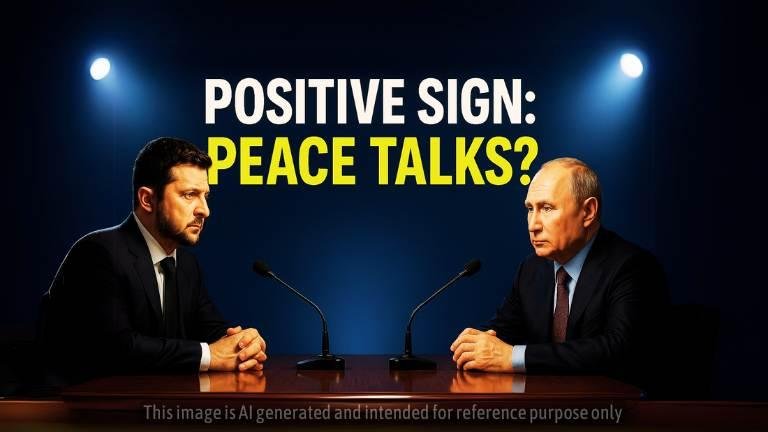
Russian President Vladimir Putin on May 11, 2025, offered “direct peace talks” with Ukraine in Istanbul on May 15, without preconditions, in what he called an effort to “address root causes” of the war. Ukrainian President Volodymyr Zelenskyy called it “a positive sign that the Russians have finally begun to consider ending the war,” but stressed that the very first step must be a full, lasting ceasefire starting May 12. While world leaders reacted with cautious optimism—demanding an unconditional 30-day truce before any talks—fighting and drone attacks continued, fueling doubts about Moscow’s intent.
Background: A War Now in Its Fourth Year
The Russian invasion of Ukraine began on February 24, 2022, triggering Europe’s largest conflict since World War II. Over the past three years, both sides have endured heavy casualties, destroyed towns, and millions of refugees seeking safety. In October 2024, President Zelenskyy unveiled his “Victory Plan,” outlining five points to force Russia to peace—ranging from Ukraine’s NATO bid to defensive guarantees and economic reconstruction.
Putin’s Proposed Peace Talks
On May 11, 2025, President Putin announced that Russia was ready to meet Ukraine in Istanbul on May 15 “without preconditions” to achieve a “lasting peace”. He framed the talks as a way to “eliminate the root causes” of the conflict and hinted at revisiting a draft 2022 agreement that would grant Ukraine neutrality in exchange for security guarantees. Western powers had earlier demanded an unconditional 30-day halt to combat as a prelude to dialogue; Putin dismissed this ultimatum as unacceptable.
Zelenskyy’s Measured Welcome
On social media (“X,” formerly Twitter), President Zelenskyy wrote: “It is a positive sign that the Russians have finally begun to consider ending the war. The entire world has been waiting for this for a very long time”. He added: “There is no point in continuing the killing even for a single day. We expect Russia to confirm a ceasefire—full, lasting, and reliable—starting tomorrow, May 12, and Ukraine is ready to meet.” Zelenskyy, however, insisted talks can only start once the guns fall silent.
Reactions Around the World
European leaders—Britain, France, Germany, and Poland—visited Kyiv before Putin’s offer, warning that continued attacks would bring harsher sanctions and urging a 30-day ceasefire by May 12. U.S. policymakers, including former President Donald Trump, hailed the development as a potential turning point, though they too stressed the need for true cessation of hostilities first. Turkish President Recep Tayyip Erdoğan offered to host and mediate the Istanbul talks, calling it a “historic turning point” if it led to peace.
Doubts and Ongoing Fighting
Almost immediately after proposing talks, Russia launched a drone assault on Kyiv and other regions—sending over 100 Shahed drones in a bid to demonstrate strength. Ukrainian air defenses shot down more than half, but the attack on civilian areas undermined trust and fueled skepticism that Moscow is serious about peace.
Ground-Level Impact
Families in villages near frontline towns remain anxious. Schools in Kharkiv and Dnipro canceled classes on May 12, waiting to see if the truce holds. Local bakeries report steady demand for “peace loaves”—symbolic breads shaped like olive branches—as a quiet way for Ukrainians to express hope amid uncertainty.
Backstory and Human Angle
Since 2022, ordinary Ukrainians have endured power cuts, food shortages, and the constant drone sirens. Yet communities adapted with makeshift bomb shelters in metro stations, volunteer kitchens serving hot soup, and impromptu art projects—like mural painting on bombed buildings—to keep spirits high. These grassroots efforts underline both the resilience of Ukrainian society and why many cling to even the faintest promise of peace.
Legal Disclaimer: This article is provided for informational purposes only. It does not constitute investment, legal, or professional advice. All facts and data are accurate to the best of our knowledge at the time of publication. Readers are encouraged to verify information independently and seek professional counsel where appropriate. The opinions expressed are those of the author and do not necessarily reflect the views of any organization. No liability is assumed for errors or omissions. We are not liable for any mishaps or situations that occur from using this blog.








Leave a Reply