
कृपया इसे हिंदी में पढ़ने के लिए यहाँ क्लिक करें
In a landmark move, the GST Council has given the green light to a revolutionary new tax structure, dubbed GST 2.0. This historic overhaul simplifies the existing Goods and Services Tax (GST) system by introducing a 2-slab structure, a decision that promises to touch the lives of every Indian. Get ready for a wave of changes that will make some things cheaper and others a bit more expensive.
This move is a big step towards making the tax system simpler for everyone. It aims to reduce confusion and make it easier for businesses to follow the rules. By making everyday items more affordable, the government hopes to give a boost to household spending and, in turn, the entire Indian economy.
Here’s a simple breakdown of what GST 2.0 is all about:
What’s New with GST 2.0?
The biggest change is the shift from a multi-layered tax system to a much simpler one. The old system had several tax rates, which often caused confusion. Now, with GST 2.0, we will have two main tax slabs: 5% and 18%. The 12% and 28% slabs have been removed.
In addition to this, there will be a special 40% slab for “sin” and super-luxury items. Think of things like tobacco products and high-end luxury cars. This new structure is designed to be easier to understand and manage for both consumers and businesses.
These changes are set to take effect from September 22, 2025, a date that marks a new beginning for India’s tax landscape.
What’s Getting Cheaper?
This is the part everyone’s been waiting for! Get ready to see some relief in your monthly budget as a wide range of everyday items are about to get more affordable. Here’s a peek at what you can expect:
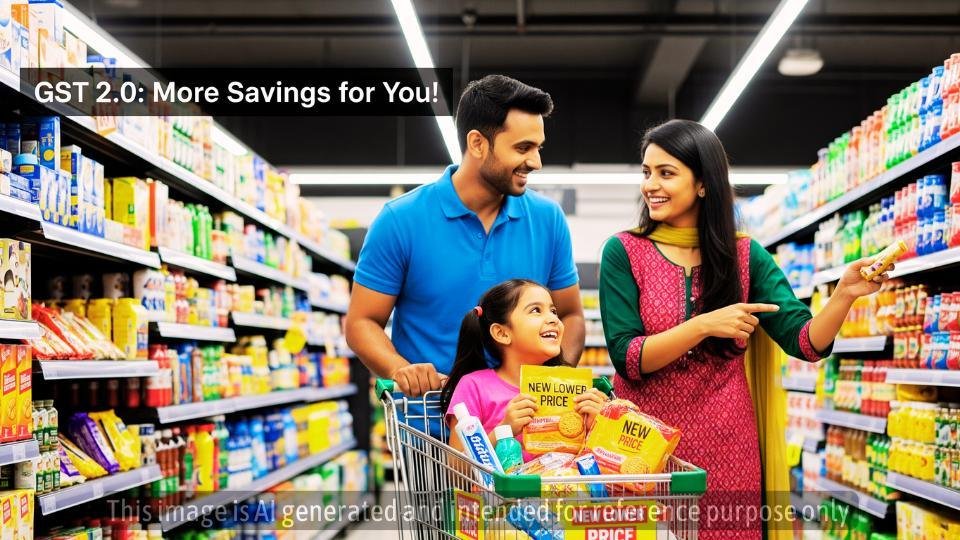
- Daily Essentials: Your morning routine just got a little cheaper! Items like soaps, shampoos, toothpaste, and hair oil will see a significant price drop. Many of these products are moving from higher tax brackets to the 5% slab.
- Groceries and Food Items: Your kitchen pantry will thank you. Many food items, including essentials and popular snacks, are also getting a price cut.
- Household Goods: Setting up or upgrading your home is now more budget-friendly. A variety of household items will also become more affordable.
- Eating Out: Enjoying a meal at your favorite restaurant might become a little lighter on your pocket, making it easier to dine out with family and friends.
- Cars and Two-Wheelers: If you’ve been dreaming of a new ride, there’s good news! The new tax structure is set to make small cars and motorcycles more affordable.
- Electronics: Upgrading your gadgets might be a good idea now. Items like televisions and other electronics will also see a price reduction.
This is just a glimpse of what’s to come. The aim of these changes is to put more money back into the pockets of the common person, making life a little easier for everyone.
What Stays the Same?
Not everything is changing. Some items will remain under the same tax bracket. For example, electric vehicles (EVs) will continue to be taxed at 5%, reflecting the government’s push for a greener future. The goal here is to keep promoting environmentally friendly choices.
What Might Get More Expensive?
To balance things out, some items will see a higher tax rate. The new 40% slab is reserved for “sin” and super-luxury goods. This includes items like tobacco products and high-end luxury vehicles. This move ensures that those who can afford luxury also contribute a bit more to the nation’s progress. It’s a way to maintain a fair and balanced tax system.
Why the Change?
This major reform is not just about changing numbers; it’s about creating a better and more efficient tax system. Here are some of the key reasons behind this move:
- Simplicity: With fewer tax slabs, it becomes much easier for businesses to understand and follow the rules. This reduces confusion and the chances of errors.
- Boosting the Economy: By making everyday items cheaper, the government hopes to encourage people to spend more. This can lead to increased demand, which in turn boosts production and creates more jobs.
- Transparency: A simpler tax system is a more transparent one. It makes it easier for everyone to see where their money is going and how it’s being used for the country’s development.
- Ease of Doing Business: For businesses, especially small and medium-sized ones, this change is a breath of fresh air. It reduces the paperwork and complexities involved in tax compliance, making it easier for them to focus on what they do best—running their business.
A New Chapter for India’s Economy
The introduction of GST 2.0 is a bold and forward-thinking move. It’s a step towards creating a tax system that is fair, simple, and supportive of economic growth. As these changes roll out, we can expect to see a positive impact on households, businesses, and the economy as a whole.
This reform is a testament to the government’s commitment to creating a more prosperous and vibrant India. It’s a change that promises a brighter future for everyone. So, get ready to embrace this new era of taxation and enjoy the benefits it brings.
Disclaimer: This article is intended for informational and educational purposes only and should not be interpreted as financial, legal, or tax advice. The information presented here is based on publicly available news reports and official announcements as of the date of publication and is subject to change as new details emerge.
Tax laws are inherently complex and can be applied differently based on individual and business circumstances. Readers are strongly advised to consult with a qualified and certified tax professional, financial advisor, or legal counsel to understand how these GST changes may specifically affect their personal finances or business operations.
The author, publisher, and all associated parties of this blog do not assume any liability or responsibility for any actions, decisions, financial losses, or gains made by any reader based on the information contained herein. While every effort has been made to ensure the accuracy and timeliness of the content, we make no guarantees regarding its completeness or correctness and are not liable for any errors or omissions. Relying on this information is solely at the reader’s own risk.







Leave a Reply