
कृपया इसे हिंदी में पढ़ने के लिए यहाँ क्लिक करें
Key Points
- The “ghibili art trend” seems to refer to a viral trend where AI tools create images in the style of Studio Ghibli, a famous Japanese animation studio known for films like “Spirited Away” and “My Neighbor Totoro.”
- Research suggests this trend, often called “Ghiblification,” uses AI like OpenAI’s GPT-4o to transform photos into Ghibli-style art, gaining popularity for its nostalgic appeal.
- The evidence leans toward controversy, with concerns about copyright infringement and ethical issues, especially given Hayao Miyazaki’s disapproval of AI in art, calling it “an insult to life itself.”
- It seems likely that users enjoy the trend for its creativity, but artists and fans debate whether it respects or exploits Ghibli’s legacy.
Background
Studio Ghibli, founded in 1985 by Hayao Miyazaki, Isao Takahata, and Toshio Suzuki, is celebrated for its hand-drawn animation with soft colors, detailed backgrounds, and magical themes. Their films, such as “Spirited Away” and “Princess Mononoke,” have a global following for their artistic and emotional depth.
The Trend
The “ghibili art trend” involves using AI tools, particularly OpenAI’s GPT-4o released in March 2025, to generate images mimicking Studio Ghibli’s style. Users upload photos or describe scenes, and the AI creates whimsical, dreamlike art, leading to a surge of shared content on social media.
Popularity and Controversy
This trend is popular for its nostalgic charm, allowing users to see themselves or their pets in Ghibli’s magical world. However, it faces backlash due to potential copyright issues, as AI may use Ghibli’s copyrighted works for training, and ethical concerns about disrespecting artists, especially with Miyazaki’s known stance against AI art.
Survey Note: A Comprehensive Look at the Ghibli Art Trend
Introduction: The Viral Sensation Sweeping Social Media
In recent weeks, a fascinating trend has taken the internet by storm: AI-generated images in the style of Studio Ghibli, often dubbed “Ghiblification.” This phenomenon, which seems to align with the user’s query about the “ghibili art trend,” has captivated users worldwide, transforming everyday photos into whimsical, hand-drawn art reminiscent of the iconic Japanese animation studio. While the trend offers a fun, creative outlet, it has also sparked significant debate over ethics, copyright, and the future of art. This report dives deep into every aspect, ensuring a balanced, detailed exploration for readers of all backgrounds.
Background: The Legacy of Studio Ghibli
Studio Ghibli, established in 1985 by directors Hayao Miyazaki and Isao Takahata, along with producer Toshio Suzuki, is a legendary Japanese animation studio. Known for its hand-drawn films, Ghibli’s art style features soft, muted colors, intricate backgrounds, and a magical, dreamlike quality. Iconic films include “Spirited Away” (2001), “My Neighbor Totoro” (1988), “Princess Mononoke” (1997), and “Howl’s Moving Castle” (2004). These works often explore themes of nature, folklore, and human emotion, earning global acclaim and a dedicated fanbase. The studio’s commitment to hand-drawn animation and meticulous detail sets it apart, making its style instantly recognizable.
The Trend: AI Meets Ghibli
The “ghibili art trend” refers to the recent viral use of AI tools to generate images in Studio Ghibli’s distinctive style. This trend gained momentum in March 2025, following the release of OpenAI’s GPT-4o, which introduced advanced image generation capabilities. Users can upload a photo—say, of themselves, their pets, or a landscape—and prompt the AI to transform it into Ghibli-style art. The result? Whimsical portraits with soft lighting, watercolor-like backgrounds, and characters that evoke the charm of films like “Spirited Away.” Other tools, such as getimg.ai and Fotor, also offer similar features, making the trend accessible to many.
Social media platforms, especially X, have been flooded with these AI-generated images, with users sharing their creations under captions like “Following the Ghibli trend.” Brands have even jumped in, using Ghibli-style visuals for ads and campaigns, highlighting the trend’s broad appeal. For instance, some X posts show users transforming memes or historical events into Ghibli art, adding a humorous twist to the phenomenon.
Popularity: Why It’s Captivating the World
The trend’s popularity stems from its nostalgic and creative allure. For many, Studio Ghibli’s films are a cherished part of childhood, evoking warmth and wonder. Seeing oneself or loved ones reimagined in this style feels magical, offering a personal connection to the art. The ease of use—requiring no artistic skills—also makes it accessible, with tools like ChatGPT allowing generation in seconds via simple prompts like “Make this in the style of Studio Ghibli.”
Controversies: The Ethical and Legal Debate
Despite its charm, the trend is not without controversy. The primary concerns revolve around copyright and ethics:
- Copyright Issues: AI tools are trained on vast datasets, which may include copyrighted Ghibli art. This raises questions about whether the AI infringes on Studio Ghibli’s intellectual property. For example, OpenAI faces lawsuits for allegedly using copyrighted works without permission, and some argue that mimicking Ghibli’s style could violate legal boundaries.
- Disrespect to Artists: Hayao Miyazaki, now 84, has been outspoken against AI-generated art. In a 2025 interview, he described it as “an insult to life itself,” emphasizing his belief that art should be a human endeavor. Many fans and artists echo this sentiment, feeling that the trend exploits Ghibli’s legacy without consent.
- Impact on Human Artists: There’s a fear that AI-generated art could devalue the work of human illustrators and animators, potentially reducing job opportunities. Artists like Karla Ortiz have criticized the trend, calling it “exploitation” and hoping Studio Ghibli sues OpenAI.
- Environmental Concerns: Some reports highlight the environmental impact of AI, with generative models consuming significant energy, adding another layer to the ethical debate.
Examples: A Glimpse into AI-Generated Art
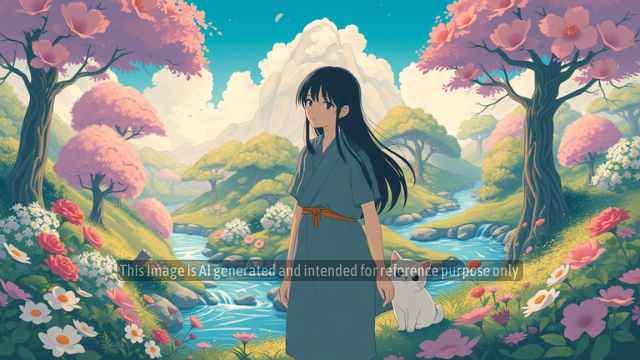
While we cannot display images here, examples include:
- Personal portraits transformed into Ghibli characters, often with soft, rounded features and dreamy backgrounds.
- Pets are depicted as whimsical creatures, like cats resembling Totoro or dogs in enchanted forests.
- Memes reimagined, such as AI-generated Ghibli-style versions of popular internet jokes, adding humor.
- Controversial uses, like historical events depicted in Ghibli style, which have sparked debate over appropriateness.
These images often capture the studio’s signature aesthetic, with watercolor textures and exaggerated natural elements.
Participation: How to Join the Trend
For those eager to try, here’s how:
- Using GPT-4o: Access ChatGPT at chat.openai.com with a paid account (Plus, Pro, or Team tiers), upload a photo, and prompt “Make this in the style of Studio Ghibli.” The tool generates the image instantly.
- Third-Party Tools: Free options include getimg.ai’s Ghibli Diffusion, where you can generate images by describing scenes, and Fotor’s Studio Ghibli filter, which transforms photos in seconds. Google Gemini also offers similar features, as detailed in recent guides.
Note that some tools may require registration or have usage limits, and ethical considerations should be kept in mind.
Conclusion: Balancing Creativity and Responsibility
The Ghibli art trend showcases the power of AI to democratize creativity, allowing anyone to engage with beloved art styles. However, it also underscores the need for responsible use, respecting artists’ rights and addressing legal and ethical concerns. As of April 1, 2025, the debate continues, with no official statement from Studio Ghibli, leaving room for further discussion on how technology and art can coexist harmoniously.
Disclaimer: This article is for informational purposes only and does not endorse or promote any specific AI tools or technologies. The views expressed are based on available information and do not reflect the opinions of any individuals or organizations mentioned. The author is not responsible for any inaccuracies or misinterpretations. Readers are advised to verify the information independently. The use of AI-generated art raises ethical considerations, and users should be mindful of copyright and originality concerns.




Leave a Reply