
कृपया इसे हिंदी में पढ़ने के लिए यहाँ क्लिक करें
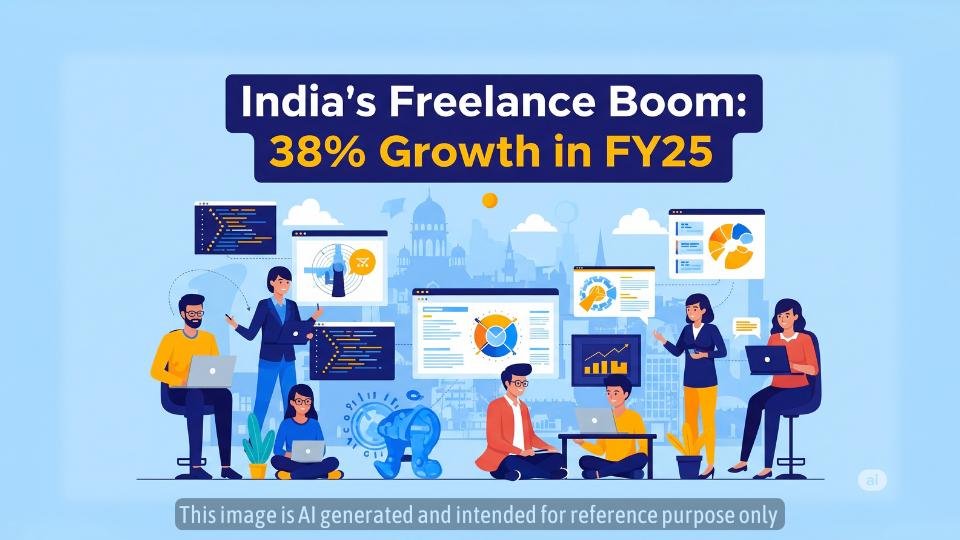
India’s freelance economy is experiencing a significant surge, with a 38% growth in FY25, highlighting a transformative shift in the nation’s employment landscape. This boom is not just a statistical anomaly but a reflection of deeper societal and economic changes.
The Freelance Surge: Numbers That Speak
According to data from the white-collar gig platform Flexing It, the demand for consultants and project-based talent rose by 38% in FY25, surpassing the average growth of 17% in the two preceding years . This growth is propelled by several factors:
- Digital Infrastructure: India’s digital economy is evolving rapidly, with increasing internet penetration and technological advancements.
- Youthful Workforce: A significant portion of the workforce comprises Gen Z and millennials, who prefer flexible work arrangements.
- Economic Necessity: Post-pandemic unemployment has driven many to seek alternative income sources, with gig work offering immediate opportunities.
Who’s Driving the Gig Economy?
India now boasts the world’s second-largest freelance workforce, with an estimated 15 million freelancers, trailing only the United States . These professionals span various sectors:
- Technology: IT and software services remain dominant, contributing 32% of gig hires as of March.
- Creative Services: Fields like digital marketing, content creation, and design are seeing increased freelance participation.
- Consulting: Business strategy, finance, and legal consulting are areas where freelancers are in high demand.
Government Initiatives and Support
Recognizing the growing importance of the gig economy, the Indian government has introduced measures to support gig workers:
- Identity Cards: Plans to issue identity cards to gig workers aim to enhance their access to healthcare and welfare.
- State-Level Support: Tamil Nadu announced a subsidy of ₹20,000 for select gig workers to purchase e-scooters, facilitating their mobility.
Challenges and Considerations
Despite the growth, gig workers face challenges:
- Lack of Social Security: Many gig workers lack access to benefits like health insurance, paid leave, and retirement plans .
- Income Stability: Earnings can be unpredictable, and payment delays are common in the freelance sector.
The Road Ahead
The gig economy’s trajectory suggests continued growth:
- Job Creation: India’s gig economy is projected to create 90 million jobs, contributing significantly to employment.
- Economic Contribution: The gig economy contributed approximately 1.25% to India’s GDP in 2023 and is expected to account for 4% by 2030.








Leave a Reply