
कृपया इसे हिंदी में पढ़ने के लिए यहाँ क्लिक करें
Introduction
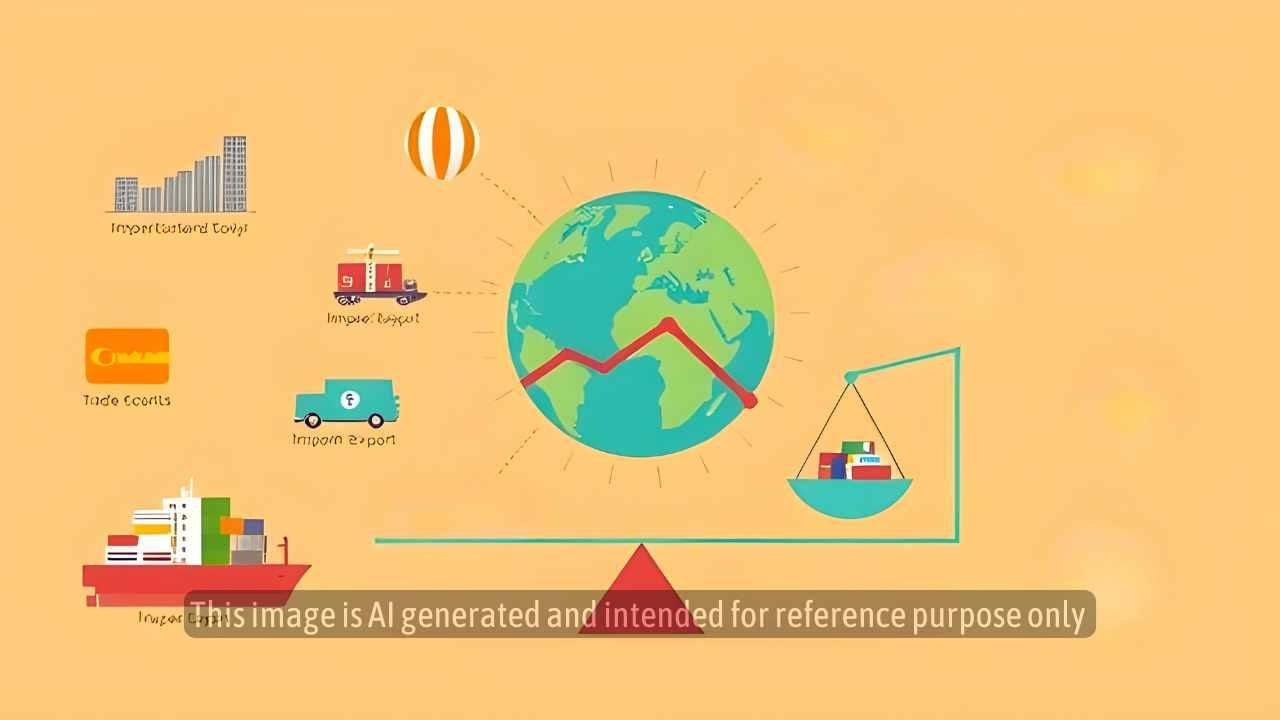
India’s trade deficit—a key indicator of economic health—has narrowed to a 42-month low of $14.05 billion in February 2025 , driven by a sharp decline in gold, silver, and crude oil imports. This marks a significant turnaround from the $32.8 billion deficit recorded in November 2024. While economists cheer the dip, questions linger: What caused this sudden shrinkage? Is it a temporary blip or a sustainable shift? Let’s dive deeper.
What is a Trade Deficit?
A trade deficit occurs when a country spends more on imports (buying goods/services from abroad) than it earns from exports (selling to others). Think of it like a family that buys more groceries than it sells vegetables from its garden. For India, imports have long outpaced exports, but the gap is finally narrowing.
Why Did the Trade Deficit Shrink? Major Factors
- Cheaper Crude Oil : Global oil prices fell from over 100/barrel in 2022 to around 100/barrel in 2022 to around 80 in 2023, easing India’s import burden. Since India relies on imports for 85% of its oil needs, this drop saved billions—for instance, a 10 price cut reduces India’s annual oil bill by roughly 10 price cuts reduces India’s annual oil bill by roughly 15 billion.
- Gold Imports Tumble : Gold imports fell 24% in 2023 due to higher taxes (customs duty hiked to 15%) and RBI’s campaigns promoting financial investments over gold. Even wedding seasons saw fewer gold purchases, with families opting for SIPs (Systematic Investment Plans) or lighter jewelry.
- Lower Non-Oil Imports : Electronics and machinery imports dipped as local production surged under schemes like the Production-Linked Incentive (PLI), which boosted manufacturing of smartphones (e.g., Apple’s India-made iPhones) and reduced reliance on foreign goods.
Export Performance: The Good and the Ugly
- Pharma & Electronics Shine : India’s pharmaceutical exports rose 10%, driven by its reputation as the “pharmacy of the world” post-Covid (e.g., Covaxin exports to 150+ countries). Electronics, especially smartphones, thrived as Apple and Samsung expanded local production, pushing exports past $10 billion—a win for the “Make in India” push.
- Textiles & Handicrafts Struggle : Global demand slumps and competition from cheaper markets (like Bangladesh) hit Gujarat’s textile hubs and Moradabad’s brassware artisans. Exporters like Varanasi’s silk weavers saw orders plunge 30% as European buyers tightened budgets amid inflation.
- Service Exports Save the Day : IT giants like TCS and Infosys secured global contracts in AI and cloud services, boosting service exports to $300 billion despite tech layoffs. India’s cost-effective talent and 24/7 outsourcing hubs kept it a top choice for Western firms cutting costs.
Challenges & Hidden Heroes
- Rupee’s Rollercoaster : A stable rupee (hovering near ₹83/$) reduced currency volatility, helping importers plan costs better, but made Indian exports costlier for foreign buyers. For example, textile exporters lost price competitiveness to rivals in Vietnam or Bangladesh, where weaker currencies kept their goods cheaper.
- China’s Shadow : China flooded global markets with affordable lab-grown diamonds, undercutting Gujarat’s Surat hub, which polishes 90% of the world’s natural diamonds. This squeezed profits for local artisans, forcing many to shift to synthetic diamond processing or shut shops.
- Remittances Rise : Remittances from Indians abroad crossed $100 billion in 2023, topping global charts, as nurses in the Gulf and techies in the U.S. sent more money home. This inflow boosted foreign exchange reserves, acting as a cushion against the trade deficit’s strain on the economy.
Impact of a Smaller Trade Deficit
- Stronger Rupee : A stable rupee reduces India’s reliance on buying dollars, keeping the currency steady and predictable for businesses. This stability lowers import costs (e.g., electronics, machinery) and shields the economy from wild exchange-rate swings.
- Lower Inflation : Cheaper oil cuts transportation and production costs, which trickles down to everyday items like vegetables and packaged goods. For example, lower diesel prices helped reduce onion prices by 15% in 2023, easing household budgets.
- Investor Confidence : Foreign investors are betting on India’s steady growth, pouring money into stocks and startups (e.g., $50B FDI in 2023). A shrinking trade deficit signals economic discipline, making India a safer bet compared to volatile emerging markets.
Govt & Industry Response
- PLI Schemes : The Production-Linked Incentive (PLI) scheme boosted local manufacturing, with Apple producing 7% of its iPhones in Tamil Nadu, creating 50,000+ jobs. This initiative aims to position India as a global electronics export hub while reducing reliance on Chinese imports.
- Free Trade Deals : Commerce Minister Piyush Goyal fast-tracked trade pacts with UAE (boosting gems/textiles) and Australia (easier Indian farm exports), slashing tariffs and expanding market access. These deals aim to diversify India’s trade partners and counter China’s dominance in global supply chains.
- Export Curbs : India banned wheat (2022) and non-basmati rice (2023) exports to stabilize domestic prices amid heatwaves and inflation, sparking anger among farmers. While critics called it protectionist, the move shielded low-income households from food shortages during crises like the Ukraine war.
Looming Tariff Threats
The EU’s Carbon Border Adjustment Mechanism (CBAM), effective 2026, will tax imports like steel and cement based on their carbon emissions, forcing Indian exporters to either cut emissions or face higher costs in a key market. Meanwhile, proposed U.S. steel tariffs (up to 25%) threaten India’s 2.8billion steel exports, pushing firms like Tata Steel—which plans to invest 1 billion in green hydrogen and carbon capture—to innovate or lose competitiveness.
Conclusion
India’s shrinking trade deficit is a welcome respite, but structural challenges persist. While lower oil and gold imports provided short-term relief, sustained growth demands boosting exports, cutting red tape, and diversifying trade partners. As economist Radhika Rao noted, “This isn’t a magic fix—it’s a nudge to double down on reforms.








Leave a Reply