
कृपया इसे हिंदी में पढ़ने के लिए यहाँ क्लिक करें
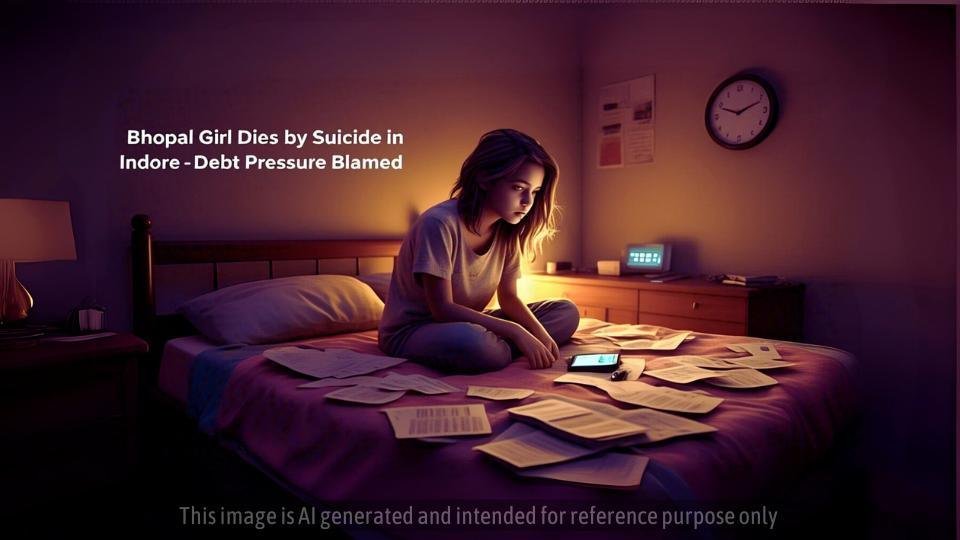
On May 16, 2025, a 27-year-old Axis Bank sales executive from Gandhinagar, Bhopal, named Shalu Singh, ended her life by slitting her wrist in her rented apartment in Silicon City First Block, Indore, amid mounting financial stress and alleged harassment by bank recovery agents. Local students Sangam and Somil discovered her around 4:20 am and rushed her to Maharaja Yeshwantrao Hospital, where she succumbed to her injuries during treatment. Police found blood trails leading from her first-floor flat to the campus area and recovered a suicide note addressed to her parents, indicating deep distress over unpaid loans. Witnesses recall her uttering the name “Charu” and crying “Maa Bachao” (Mother, save me) before losing consciousness. Authorities are examining her phone call records for further clarity, , hoping to find more clues about the circumstances leading to her death, continuing their investigation and will take further action based on the findings.
Detailed Backstory
Who Was Shalu Singh?
Shalu Singh, 27, had joined Axis Bank as a sales executive and was living on rent in a modest flat at Silicon City First Block, a bustling residential–educational complex in Rau, Indore. She originally hailed from Gandhinagar in Bhopal, where her family still resides.
The Day of the Incident
In the early hours of Thursday, May 16, 2025, Sangam and his friend Somil, both students living in the same building, heard faint noises and found Shalu lying in a pool of blood outside the entrance gate around 4:20 am. They immediately informed the watchman and dialed emergency services before rushing her to MY Hospital, where doctors battled to save her life but could not reverse the blood loss.
Investigation and Reactions
Evidence and Police Findings
Police from Rau station documented a clear trail of blood stains from Shalu’s apartment down the staircase to the courtyard, supporting the theory that she left her flat after inflicting the injury. Investigators recovered a handwritten suicide note in “Hinglish” (Hindi–English mix) in her diary, in which she apologized to her parents and expressed hopelessness over her debts. The Forensic Science Laboratory (FSL) confirmed the injuries were self-inflicted, indicating suicide. However, the police will wait for the full postmortem report before making more statements. Shalu’s Aadhar card and a partially legible note apologizing to her parents were found, allowing police to notify her family in Bhopal.
Harassment by Recovery Agents
Preliminary inquiries suggest that Shalu had borrowed money from banks (but the exact amount of her loans is not yet known), she found difficult to repay, and recovery agents from multiple financial institutions had allegedly been persistently calling and visiting her to demand payment. Such harassing and aggressive tactics are reported to cause severe mental strain, as seen in similar cases elsewhere in Madhya Pradesh and in India also.
Wider Context of Recovery Agent Practices
RBI Guidelines on Ethical Debt Collection
- Code of Conduct: The Reserve Bank of India (RBI) mandates that recovery agents must avoid harassment, intimidation, or coercion and must carry proper identification.
- Recording and Monitoring: Banks must record all recovery calls and promptly address any borrower grievance before escalating to agents.
- Training Requirements: Agents are to undergo a minimum 100 hours of certified training through the Indian Institute of Banking and Finance (IIBF) to ensure sensitivity and professionalism and certified as DRA (Debt Recovery Agents) Certification.
Common Violations
- Excessive Targets: High incentive-driven targets often push agents to adopt “questionable” methods, including repeated calls outside allowed hours (7 pm–8 am) and threats.
- Grievance Redressal: Even with in-house grievance mechanisms, many borrowers hesitate to complain for fear of reprisal, perpetuating silent suffering.
Legal and Regulatory Aspects
- Penalties for Banks: RBI may ban banks from engaging recovery agents for repeated guideline breaches or impose fines for abusive practices.
- Borrowers’ Rights: Under some sections of the Consumer Protection Act, borrowers can hold banks accountable for deficiency in service, including unethical recovery actions.
Psychological and Social Factors
Financial indebtedness, combined with cultural expectations of success, can drive individuals to isolation and despair. Experts note that many victims do not seek help due to shame or fear of stigma, underscoring the need for better mental health awareness and debt counseling services in India.
Conclusion
Shalu’s death is a stark reminder of the human cost of aggressive debt recovery. It underscores the urgent need for banks to enforce RBI guidelines rigorously, enhance borrower education on grievance mechanisms, and provide emotional support channels. Only by combining ethical banking practices with robust mental health resources can such tragedies be prevented in the future.








Leave a Reply