
कृपया इसे हिंदी में पढ़ने के लिए यहाँ क्लिक करें
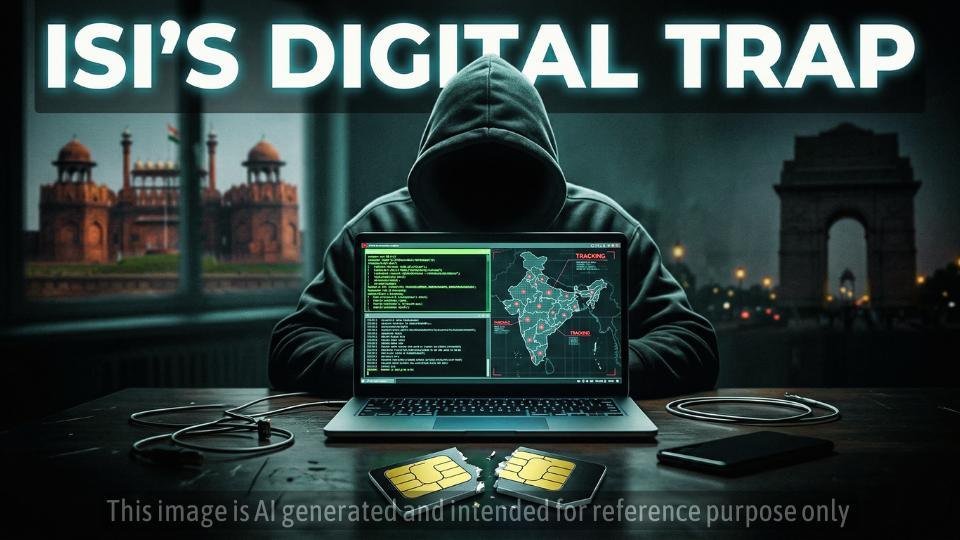
In a massive intelligence operation, Indian security agencies have successfully dismantled a sophisticated espionage network linked to Pakistan’s Inter-Services Intelligence (ISI). The operation, codenamed “Operation Sindoor,” has exposed a widespread web of spies using modern technology and honey-trapping to compromise India’s national security. So far, 22 individuals have been arrested in connection with this network, which spans multiple states, including Uttar Pradesh, Haryana, Punjab, and Assam.
The unraveling of this network began with a seemingly ordinary visit of a Ghaziabad police constable to a bicycle puncture repair shop. The constable overheard a conversation about earning quick money by performing simple tasks, which immediately raised his suspicion. A subsequent investigation by the Uttar Pradesh Anti-Terrorism Squad (UP ATS) revealed a meticulously planned espionage operation orchestrated from across the border.
The ISI’s new modus operandi is both simple and alarming. The network lures unsuspecting individuals, often from economically weaker backgrounds, with the promise of easy money. These individuals, many of whom are minors, are then tasked with seemingly harmless jobs, such as installing CCTV cameras in strategic locations, repairing mobile phones, or procuring Indian SIM cards. These SIM cards are then used to create social media accounts and WhatsApp groups, which are then operated by Pakistani handlers.
The investigation has revealed that the network had managed to infiltrate various sectors, and had even honey-trapped a DRDO scientist, Pradeep Kurulkar, in Pune. The scientist was allegedly lured by a Pakistani Intelligence Operative (PIO) posing as a woman and was arrested in May last year. In another case, a YouTuber named Jyoti Malhotra was also arrested on similar charges, highlighting the diverse range of individuals being targeted by the ISI.
The network also made use of advanced technology to carry out its operations. They used SIM-enabled, solar-powered, stand-alone CCTV cameras to monitor sensitive locations, providing real-time intelligence to their handlers in Pakistan. They also used various mobile applications for encrypted communication and to transfer money through illegal channels.
The network was being operated by a Pakistani intelligence officer named Sarfaraz Dogar, alias “Sardar” or “Zora Singh.” His name has surfaced in multiple espionage cases, and he is believed to be the mastermind behind this entire operation.
The busting of this network is a significant victory for India’s intelligence agencies, but it also serves as a stark reminder of the ever-present threat of espionage. It highlights the need for greater vigilance and awareness among the public, especially the youth, who are often the most vulnerable targets.
A Social Message:
The allure of easy money can be tempting, but it can also lead to dangerous consequences. It is essential for every citizen to be vigilant and to report any suspicious activity to the authorities. Patriotism is not just about waving the flag on national holidays; it is also about protecting our country from internal and external threats. Let us all be the eyes and ears of our nation and work together to safeguard our sovereignty and integrity.
Disclaimer: This news article is based on publicly available information and reports from various sources. The investigation is ongoing, and the information presented here may be subject to change. The names of the individuals mentioned in this article are as per the reports and are not intended to defame or malign any individual or community. We urge our readers to exercise their own judgment and to follow the developments in this case from credible sources. This article does not endorse or promote any particular viewpoint and is intended for informational purposes only.







Leave a Reply