
कृपया इसे हिंदी में पढ़ने के लिए यहाँ क्लिक करें
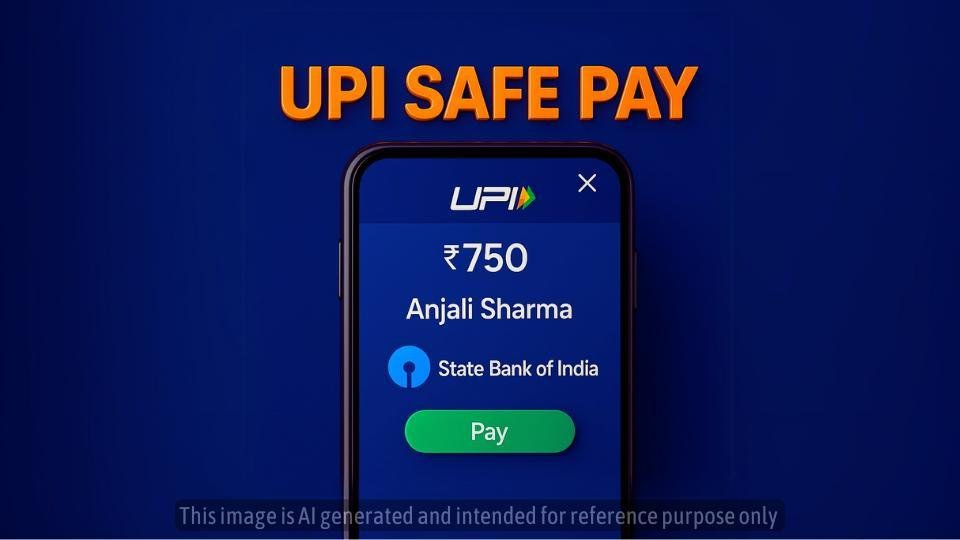
Starting June 30, 2025, the National Payments Corporation of India (NPCI) will require all UPI apps to show the beneficiary’s verified name and bank details before a payment is confirmed, greatly reducing the risk of sending money to the wrong account. This change follows growing concerns over scamsters misusing virtual IDs and misleading display names to dupe users. The new rule is part of NPCI’s ongoing efforts under the leadership of MD & CEO Dilip Asbe to enhance trust and security in digital payments. Similar name-lookup features are already in place for RTGS and NEFT systems, as mandated by the Reserve Bank of India earlier this year.
Background
UPI’s Meteoric Rise and Growing Pains
- Since its launch in 2016, UPI transaction volumes have soared, reaching over 13 billion transactions per month by early 2025.
- With convenience, however, came an uptick in fraud – from wrong-number transfers to impersonation scams, where a fraudster’s VPA (Virtual Payment Address) closely mimics a genuine one.
- Everyday users like Ramesh in Pune have lost small sums when they sent ₹500 for sweets to “Rahul.kumar@bank” but ended up paying a total stranger – a story that ended happily only after frantic calls and bank intervention.
RBI’s Parallel Initiative
- In January 2025, the RBI announced a beneficiary name lookup facility for RTGS and NEFT, letting users verify account-holder names before transfer.
- This feature went live on April 1, 2025, aligning system behavior across all major payment modes and reducing wrong-account transfers in high-value transactions.
The New NPCI Rule
What’s Changing?
- Before: UPI apps typically show only the VPA or mobile number of the receiver.
- After June 30, 2025: Apps must display the beneficiary’s full name and the bank’s name exactly as per bank records.
- The rule applies to all UPI-enabled apps, including Google Pay, PhonePe, Paytm, BHIM, and smaller fintech players.
How It Works
- Name Fetch: When you enter a VPA or mobile number, the app sends a lookup request to NPCI’s Database.
- Display & Confirm: The beneficiary’s exact name (e.g., “Anjali Sharma”) and bank (e.g., “State Bank of India”) appear on your screen.
- Final Approval: You must manually confirm that the name matches your intended recipient before entering your UPI PIN.
Ground-Level Impact
- Simple Lives: For shopkeeper Meena in Delhi, this means no more panic if she mistypes her customer’s VPA – the name check catches it every time.
- Rural Boost: In villages using *99# USSD, the change also ensures that the name appears on feature-phone screens, helping less-tech-savvy users.
- Humorous Mishaps: One college student tried to send pizza money to “Jatin.rocks@bank” but ended up funding a tea stall instead – he now jokes that he “sponsored evening chai for a day” before getting his ₹150 back.
Legal Recourse & Recovery
- Immediate Complaint: If you still send money wrong, raise a dispute in your UPI app within 48 hours. Apps like Google Pay and PhonePe have in-built “Raise Issue” flows.
- Bank & NPCI: You can escalate to your bank and NPCI’s grievance portal if the app support doesn’t resolve it.
- Banking Ombudsman: Under the RBI’s Ombudsman Scheme, you may approach the Ombudsman if banks neglect reversal duties after due proof.
- Police & Legal: For large sums or suspected fraud, filing a police FIR and seeking legal action remains an option.
Expert Views
- “This name-lookup facility is a game-changer for customer safety,” says Adhil Shetty of Bankbazaar.com. “Users will now see exactly who they’re paying, preventing errors and fraud.”
- “NPCI’s move under Dilip Asbe’s leadership continues to strengthen UPI’s integrity, making digital payments truly foolproof,” adds fintech analyst Kavita Rao.








Leave a Reply