
कृपया इसे हिंदी में पढ़ने के लिए यहाँ क्लिक करें
A New Era of Digital Security is Here
In a significant move to bolster cybersecurity, the Indian government has rolled out a new set of rules that will fundamentally change how we use popular communication apps like WhatsApp, Telegram, Signal, and Snapchat. The days of using these apps without an active SIM card are officially over. This groundbreaking decision is aimed at curbing the rising tide of cyber fraud, impersonation, and spam that has been plaguing the digital landscape.
What Does the New Rule Say?
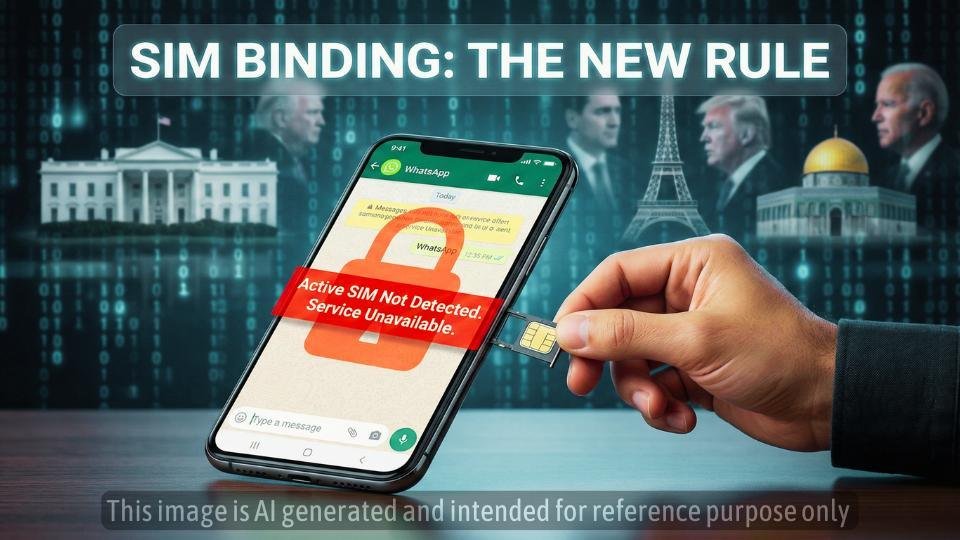
The Department of Telecommunications (DoT) has introduced the “SIM-binding” rule, which mandates that all communication apps must be continuously linked to the active SIM card used for registration. This means that if you remove the SIM card from your phone, the app will stop working. The directive applies to a wide range of platforms, including WhatsApp, Telegram, Signal, Snapchat, and others. These platforms have been given a 90-day window to comply with the new regulations.
Here’s a breakdown of what this means for you:
- No More SIM-Less App Usage: You will no longer be able to use these apps on a device that doesn’t have the registered SIM card in it. This affects those who use Wi-Fi-only devices or keep their primary SIM in a different phone.
- Web Logins Get a Time Limit: For those who use web versions of these apps, such as WhatsApp Web, your sessions will automatically log out every six hours. You will then need to re-authenticate by scanning a QR code to log back in.
- Immediate Deactivation for Inactive SIMs: If a SIM card is expired or inactive, the associated app account will be immediately deactivated.
Why is the Government Taking This Step?
The primary motivation behind this move is to enhance national and cyber security. The government aims to tackle several key issues:
- Reducing Fraud and Scams: By linking app usage directly to an active SIM card, it becomes much easier to trace and identify users involved in fraudulent activities.
- Curbing Anti-National Activities: The new rule will help in monitoring and curbing the use of these platforms for activities that threaten national security.
- Digital Arrest and Tracking: This measure will make it easier for law enforcement agencies to track suspicious movements and activities, and to carry out “digital arrests” when necessary.
- Preventing Impersonation: The mandatory SIM-binding will make it significantly harder for individuals to impersonate others and carry out scams or spread misinformation.
A Glimpse into the Past: What Was the Norm?
Until now, users could register for these apps with a SIM card and then continue to use them on Wi-Fi even after removing the SIM. This loophole was being exploited by fraudsters, both within and outside the country, to carry out their malicious activities without fear of being traced.
A Bumpy Road Ahead?
While the government’s intentions are clear, the new rules have been met with some resistance from the industry. Concerns have been raised about the technical challenges of implementation and the potential for service disruptions for genuine users. However, the government has stood firm on its decision, emphasizing that this is a crucial step in creating a safer and more secure digital ecosystem for everyone.
Social Message: In an age where our lives are increasingly intertwined with the digital world, security and accountability must go hand in hand with convenience. This new regulation is a reminder that with great technological power comes great responsibility. While it may require some adjustments on our part, it is a small price to pay for a safer online environment where we can communicate and connect without the fear of falling victim to fraud or malicious actors.








Leave a Reply