
कृपया इसे हिंदी में पढ़ने के लिए यहाँ क्लिक करें
Introduction
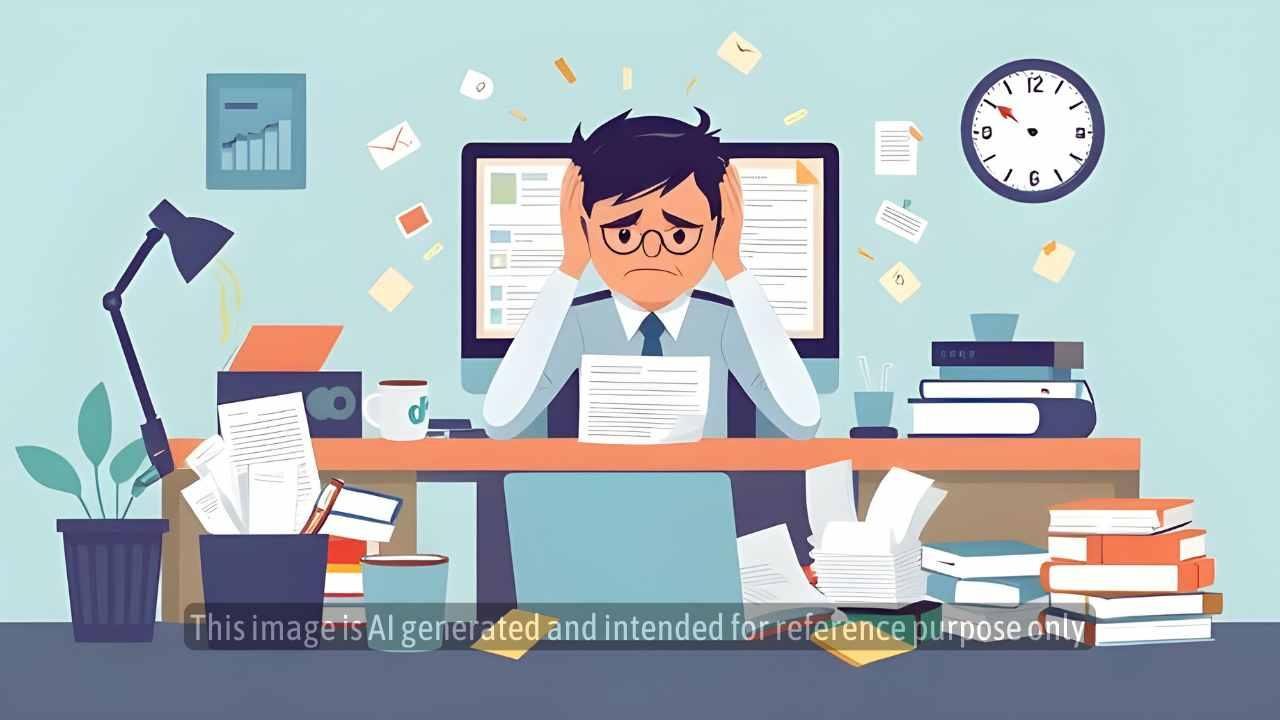
Office work can feel like a whirlwind of emails, meetings, and deadlines, leaving you anxious and struggling to focus. Whether you’re drowning in tasks or battling constant distractions, this blog offers 21 simple, actionable techniques to sharpen your concentration and calm your mind—no fancy tools or complicated routines required. Let’s dive in!
21 Techniques for Better Focus & Less Anxiety
1. Time-Blocking
Split your day into chunks for specific tasks (e.g., “9–10 AM: Emails only”). This reduces overwhelm by giving each task a clear slot.
- Example: Schedule “Deep Work” blocks for big projects and stick to them like appointments.
2. Mindful Breathing
Pause for 60 seconds to take slow, deep breaths—this resets your mind.
- Example: Before a stressful meeting, inhale for 4 counts & exhale to calm nerves.
3. Declutter Your Workspace
A tidy desk = a tidy mind. Remove unnecessary items to avoid visual distractions.
- Example: Keep only your laptop, notebook, and a pen on your desk.
4. Hydrate Regularly
Dehydration causes fatigue. Keep a water bottle nearby and sip often.
- Example: Drink a glass of water after every meeting to stay alert.
5. Move Every Hour
Stretch or walk for 2–5 minutes to boost blood flow and focus.
- Example: Do shoulder rolls or walk to the break room for coffee.
6. Prioritize with the 2-Minute Rule
If a task takes less than 2 minutes, do it immediately. This clears mental clutter.
- Example: Reply to a quick email now instead of letting it pile up.
7. Use Noise-Canceling Headphones (if allowed)
Block office chatter with calming music or white noise.
- Example: Play instrumental playlists on Spotify to stay in the zone.
8. Write Down Worries
Jot anxious thoughts in a notebook to “park” them for later.
- Example: Scribble “What if the presentation fails?” and revisit it after work.
9. Single-Tasking
Focus on one task at a time—multitasking kills productivity.
- Example: Close all tabs except the report you’re writing.
10. Set Micro-Goals
Break tasks into tiny steps (e.g., “Draft intro first”). Small wins build momentum.
- Example: Finish three bullet points before checking messages.
11. Laugh It Off
Watch a funny meme or chat during break time because laughter eases stress.
- Example: Watch a 2-minute joke during break time.
12. Use the Pomodoro Technique
Work for 25 minutes, then rest for 5 minutes. Repeat!
- Example: Write emails for 25 mins, then stretch or rest for 5 minutes.
13. Limit Caffeine
Too much coffee spikes anxiety. Switch to herbal tea after 2 cups.
- Example: Replace your 4 PM latte with chamomile tea.
14. Practice Gratitude
List 3 things you’re grateful for. This shifts your mindset from stress to positivity.
- Example: “I’m thankful for my comfy chair, sunny window, and helpful teammate.”
15. Visualize Success
Picture yourself nailing a task—it builds confidence.
- Example: Imagine presenting smoothly before a big meeting.
16. Set Clear Boundaries
Say “no” to non-urgent requests to protect your time.
- Example: Politely decline a last-minute task if your plate is full.
17. Use a Worry Timer
Give yourself 5 minutes to overthink, then move on.
- Example: Set a timer to vent about a problem, then refocus.
18. Snack Smart
Eat protein-rich snacks (nuts, yogurt) for steady energy.
- Example: Swap candy for almonds to avoid sugar crashes.
19. Digital Detox Before Bed
Avoid screens 1 hour before sleep—better rest = better focus tomorrow.
- Example: Read a book instead of scrolling Instagram at night.
20. Celebrate Progress
Reward yourself after finishing tasks (e.g., a walk, snack).
- Example: Treat yourself to a cookie after submitting a report.
21. Ask for Help
Don’t bottle up stress—talk to a colleague or manager.
- Example: Say, “I’m stuck on this project—can we brainstorm solutions?”
Disclaimer : This blog is intended for informational purposes only. The techniques shared are based on general advice and may not work for everyone. Always consider your personal needs and consult with a professional if you have serious concerns. The suggestions here do not replace professional medical advice. Techniques may vary in effectiveness based on individual needs. The author is not responsible for decisions made based on this content. Use these techniques at your discretion.







Leave a Reply