
कृपया इसे हिंदी में पढ़ने के लिए यहाँ क्लिक करें
Your Daily Dose of Truth in Global Health and Wellness
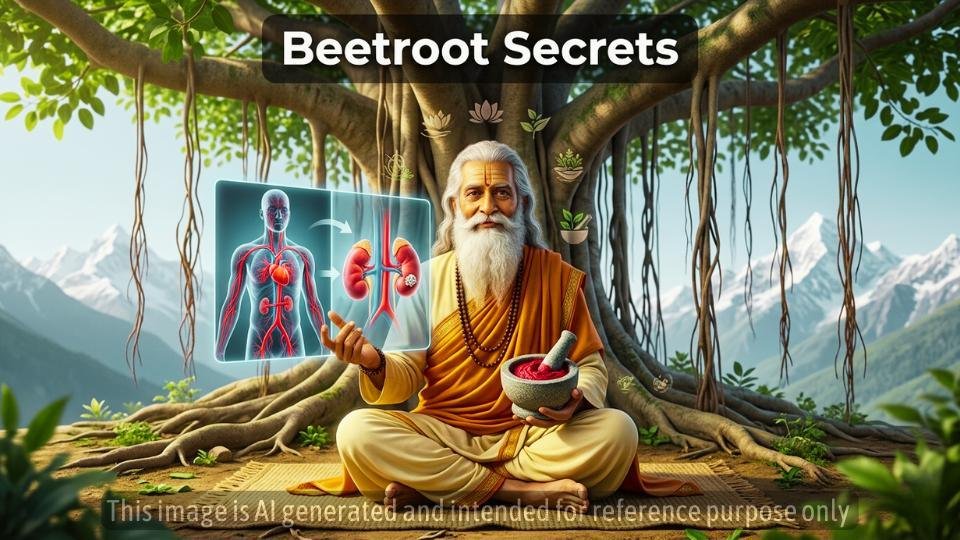
In the bustling world of health and wellness, a crimson-colored drink has earned its place on the throne: beetroot juice. Praised by athletes, recommended by nutritionists, and loved by health-conscious people everywhere, this humble root is seen as a magical potion for everything from boosting blood to giving your skin a radiant glow. We see it all over the internet, a quick fix for more energy and vitality. But as your trusted news source, we are here to look at the full picture. Today, we peel back the layers of this superfood to reveal a truth that is both fascinating and vital for your well-being. Is drinking a large glass of beetroot juice every day truly the shortcut to health it promises to be? Let’s investigate.
The Rise of a Super-Root: Why Everyone Loves Beetroot
For years, we’ve celebrated the beet as a powerhouse of nutrition. And for good reason! Science backs up many of these claims.
- A Friend to Your Heart: The star ingredient in beetroot is a high concentration of nitrates. When you drink the juice, your body converts these nitrates into nitric oxide. Think of nitric oxide as a superhero for your blood vessels; it tells them to relax and widen, which helps improve blood flow and can lower blood pressure. This is a huge win for heart health.
- The Energy Booster: Athletes often drink beetroot juice to enhance their performance. The improved oxygen delivery to muscles means more stamina and better endurance.
- Packed with Goodness: Beetroot is a treasure chest of essential nutrients like iron, folate, potassium, vitamin C, and powerful antioxidants called betalains. These elements work together to fight inflammation, support detoxification, and keep your body running smoothly.
From a modern diet science perspective, it is a fantastic addition to our meals, helping to build blood and keep us strong.
The Unseen Twist: When “Too Much of a Good Thing” Becomes a Problem
This is where our story takes a critical turn. The problem is not with beetroot itself, but with how we consume it. Gulping down a large, concentrated glass of juice on an empty stomach every single day might not be the wisest choice for everyone.
- Blood Pressure Beware: While lowering high blood pressure is a benefit, for those with normal or low blood pressure, a daily dose can cause it to dip too low, leading to dizziness, lightheadedness, and weakness.
- The Kidney Stone Connection: Beetroots are high in compounds called oxalates. In sensitive individuals, a constant high intake of oxalates can contribute to the formation of kidney stones. Moderation is absolutely key here.
- A Tummy’s Tale: For some, a sudden flood of concentrated beet juice can lead to uncomfortable bloating, gas, or stomach cramps.
- The Pink Panic (Beeturia): Have you ever noticed your urine or stool turning reddish-pink after eating beets? This harmless condition is called “beeturia.” While it’s not dangerous, it can certainly be alarming if you don’t know what it is! It’s simply your body not fully breaking down the red pigment.
Wisdom of the Ancients: A Look at Tradition
It’s interesting to note that in ancient traditional practices like Ayurveda, beetroot wasn’t typically used as a primary medicine. It was understood as a nutritious food. This aligns perfectly with our modern findings: beetroot is a healthy food, not a daily medicine to be taken in high doses without thought. Ayurvedic wisdom often emphasizes balance (Sama), and the concept of “overdoing” something, even if it’s healthy, goes against this core principle.
The Golden Rule: The Safe and Smart Way to Enjoy Beetroot
So, what is the right way forward? It’s simple, balanced, and sensible.
- Think Moderation, Not Medication: Instead of a daily large glass, enjoy beetroot juice 2-3 times a week.
- Eat the Whole Food: Don’t just stick to juice. Enjoy beetroot in its natural form—grated in salads, lightly steamed, or roasted. This way, you also get the benefit of its healthy fiber.
- Create a Mix: If you love juice, dilute it or mix it with other vegetable juices like carrot and cucumber. This balances the concentration and adds a wider range of nutrients.
A Social Message from Our News Desk:
In our rush for instant results and “quick fixes,” we often forget the most basic rule of nature: balance is everything. Health is not a sprint; it’s a marathon. True wellness comes from listening to your own body, understanding both the benefits and the risks, and making consistent, sensible choices. Let’s treat food as the nourishment it is, not as a shortcut. Be informed, be balanced, and be well.
What’s your experience with beetroot juice? Share your thoughts in the comments below!







Leave a Reply