
कृपया इसे हिंदी में पढ़ने के लिए यहाँ क्लिक करें
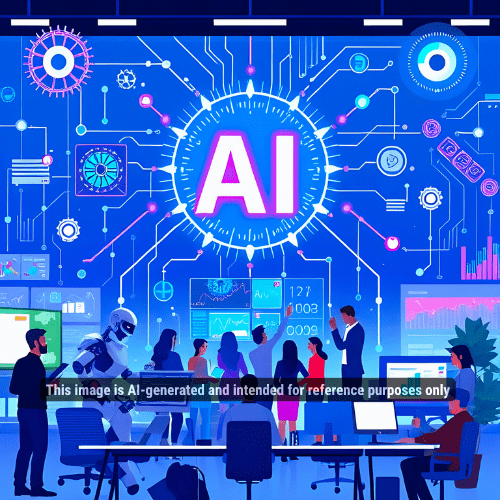
Artificial Intelligence (AI) has arrived, and it’s transforming the way we live and work. From self-driving cars to virtual assistants, AI is reshaping industries at an unprecedented pace. While this technological revolution brings excitement, it also raises concerns—many people worry that AI might replace their jobs. As AI continues to grow, it will open up countless new opportunities for those who are ready to adapt. In this blog, we’ll explore 21 skills and career paths that will be in high demand because of AI. These aren’t skills that compete with AI—they’re skills that work alongside AI to create a brighter future.
1. AI Ethics Specialist
As AI becomes more powerful, ethical concerns arise. Who ensures that AI systems are fair, unbiased, and used responsibly? That’s where AI ethics specialists come in. They help companies navigate the moral challenges of AI, ensuring it benefits society without causing harm. For example, they might audit algorithms to ensure they don’t discriminate against certain groups or violate privacy rights. If you’re passionate about fairness, justice, and technology, this could be your calling.
2. Data Scientist
AI thrives on data, and data scientists are the ones who collect, analyze, and interpret this data. They help businesses make sense of the massive amounts of information generated every day. For instance, a data scientist might analyze customer behavior to predict future trends or optimize marketing strategies. With AI expanding, the demand for skilled data scientists will only grow. If you love numbers, problem-solving, and uncovering hidden insights, this field is perfect for you.
3. AI Trainer
AI systems need to be “trained” to perform tasks accurately. AI trainers teach machines how to recognize patterns, understand language, or even mimic human behavior. For example, they might train chatbots to respond naturally to customer queries or teach image recognition systems to identify objects. This role combines tech knowledge with creativity, making it both challenging and rewarding. If you enjoy teaching and working with cutting-edge technology, becoming an AI trainer could be a great fit.
4. Machine Learning Engineer
Machine learning is a subset of AI that focuses on creating algorithms that allow computers to learn and improve over time. Machine learning engineers design and implement these systems, working closely with data scientists to turn raw data into actionable insights. For example, they might build recommendation engines for e-commerce platforms or develop fraud detection systems for banks. If you enjoy coding, mathematics, and building innovative solutions, this career path offers endless possibilities.
5. AI Product Manager
AI product managers oversee the development of AI-powered products, from concept to launch. They act as a bridge between technical teams and business goals, ensuring that AI tools meet user needs while aligning with company objectives. For example, an AI product manager might lead the creation of a voice assistant app or a predictive analytics tool. If you’re organized, strategic, and tech-savvy, this role could be ideal for you.
6. Cybersecurity Expert
With AI comes increased reliance on digital systems—and greater vulnerability to cyberattacks. Cybersecurity experts protect networks, devices, and data from hackers. For instance, they might monitor systems for suspicious activity, develop encryption protocols, or respond to breaches. As AI grows, so does the need for professionals who can safeguard sensitive information. This field is both lucrative and critical to modern society, offering stability and high demand.
7. UX/UI Designer for AI Systems
AI systems need user-friendly interfaces to be effective. UX/UI designers specialize in creating intuitive designs that make AI tools easy to use. Whether it’s designing a voice assistant app, a recommendation engine, or a healthcare diagnostic tool, these designers play a key role in shaping how humans interact with AI. If you’re creative, detail-oriented, and passionate about user experience, this field offers exciting opportunities.
8. Healthcare AI Specialist
AI is revolutionizing healthcare by improving diagnostics, personalizing treatments, and streamlining administrative tasks. Healthcare AI specialists develop and implement AI solutions tailored to medical settings. For example, they might create algorithms that detect diseases from medical images or design systems that predict patient outcomes. If you’re passionate about technology and helping others, this career combines the best of both worlds.
9. Robotics Technician
AI-powered robots are being used in manufacturing, logistics, and even households. Robotics technicians maintain, repair, and program these machines, ensuring they function smoothly. For instance, they might troubleshoot issues with warehouse robots or calibrate surgical robots in hospitals. This hands-on role is perfect for those who love working with technology and solving practical problems.
10. Content Creator for AI Platforms
AI tools like ChatGPT, Deepseek, Gemini, Meta AI, Microsoft Copilot, Grok, Qwen, Mistral AI, Perplexity, Krutrim, etc. are changing how content is created. However, human creativity remains essential. Content creators use AI as a tool to generate ideas, write articles, or produce videos faster and more efficiently. For example, a marketer might use AI to brainstorm campaign slogans or automate social media posts. If you enjoy storytelling, marketing, or multimedia production, this field offers exciting opportunities.
11. AI Policy Advisor
Governments and organizations need experts to create policies regulating AI usage. AI policy advisors research the impact of AI on society and recommend guidelines to ensure its safe and ethical deployment. For example, they might draft regulations for autonomous vehicles or propose frameworks for AI transparency. If you’re interested in law, governance, or public policy, this role allows you to shape the future of AI.
12. AI-Powered Marketing Specialist
AI is transforming marketing by enabling hyper-personalized campaigns and predictive analytics. AI-powered marketing specialists use tools like machine learning algorithms to analyze consumer behavior and optimize strategies. For example, they might create targeted ads based on browsing history or predict which customers are most likely to convert. If you’re creative, data-driven, and tech-savvy, this career blends art and science beautifully.
13. Virtual Reality (VR) Developer
AI and VR go hand-in-hand, creating immersive experiences for gaming, education, and training. VR developers design virtual environments powered by AI, such as simulations for pilots, surgeons, or architects. For example, they might create a VR training module for factory workers using AI to adapt scenarios in real-time. If you’re fascinated by cutting-edge tech, this field lets you push boundaries.
14. AI-Driven Supply Chain Analyst
Supply chains are becoming smarter thanks to AI. Analysts use AI tools to predict demand, optimize inventory, and reduce costs. For example, they might use machine learning to forecast seasonal spikes in sales or identify inefficiencies in logistics. This role is crucial for industries like retail, manufacturing, and logistics. If you’re analytical, detail-oriented, and enjoy solving complex problems, this career offers stability and growth.
15. AI Educator/Trainer
As AI becomes mainstream, there’s a growing need for educators who can teach others how to use it effectively. AI educators create courses, workshops, and training programs for students, professionals, and businesses. For example, they might teach employees how to use AI-powered tools or develop online tutorials for beginners. If you enjoy teaching, mentoring, and staying ahead of trends, this role is both fulfilling and impactful.
16. AI-Powered Financial Analyst
AI is transforming the financial industry by enabling faster and more accurate analysis of market trends, risk assessments, and investment strategies. AI-powered financial analysts use machine learning algorithms to predict stock market movements, detect fraud, or optimize portfolios. For example, they might develop tools that analyze millions of transactions to identify suspicious activity. If you’re detail-oriented, analytical, and interested in finance, this role combines technology with traditional financial expertise.
17. AI-Driven Customer Experience Specialist
Customer experience is becoming increasingly personalized thanks to AI. AI-driven customer experience specialists use tools like chatbots, sentiment analysis, and predictive analytics to enhance interactions between businesses and customers. For instance, they might design systems that anticipate customer needs or resolve issues before they escalate. If you’re empathetic, tech-savvy, and passionate about improving customer satisfaction, this career offers immense potential.
18. AI-Augmented Teacher/Trainer
AI is making its way into classrooms and training programs, but human educators remain indispensable. AI-augmented teachers use AI tools to personalize learning experiences, track student progress, and provide real-time feedback. For example, they might use AI platforms to identify struggling students and offer tailored support. If you’re passionate about education and eager to integrate technology into teaching, this role allows you to shape the future of learning.
19. AI-Enabled Environmental Scientist
AI is playing a crucial role in addressing environmental challenges like climate change, deforestation, and pollution. AI-enabled environmental scientists use machine learning models to analyze satellite data, monitor ecosystems, and predict natural disasters. For instance, they might develop systems that track illegal logging activities or forecast weather patterns. If you care about sustainability and want to leverage technology for the greater good, this field offers meaningful opportunities.
20. AI-Focused Legal Consultant
The legal industry is embracing AI to streamline processes like contract analysis, due diligence, and case research. AI-focused legal consultants help law firms and corporations implement AI tools effectively while ensuring compliance with regulations. For example, they might train lawyers to use AI software for document review or advise on ethical considerations when using AI in court cases. If you’re detail-oriented, knowledgeable about law, and tech-curious, this role bridges tradition and innovation.
21. AI-Powered Creative Technologist
AI is revolutionizing creative fields like art, music, and design. AI-powered creative technologists use AI tools to push the boundaries of creativity, generating everything from AI-composed music to algorithmically designed visuals. For example, they might collaborate with artists to create interactive installations or develop AI-generated content for brands. If you’re imaginative, tech-savvy, and love experimenting with new ideas, this career lets you blend art and technology in exciting ways.
Why These Skills Matter
These 21 skills and career opportunities highlight the positive side of AI. Instead of fearing job losses, focus on the new doors AI opens. By developing expertise in these areas, you can not only survive but thrive in the age of AI. The key is to embrace change, stay curious, and continuously upgrade your skills. Remember, AI isn’t here to replace us—it’s here to empower us.
Disclaimer: This blog is intended for informational purposes only. The skills and career opportunities mentioned are based on current trends and predictions about the impact of AI on the job market. However, the future is unpredictable, and readers are encouraged to conduct further research and consult experts before making career-related decisions. We celebrate the potential of AI to enhance human capabilities and do not promote fear or negativity toward technological advancements. Additionally, while AI creates new opportunities, it’s important to acknowledge that some roles may evolve or become obsolete over time. Always approach your professional journey with diligence, curiosity, and an open mind.







Leave a Reply