
कृपया इसे हिंदी में पढ़ने के लिए यहाँ क्लिक करें
Beyond Smartphones: A Glimpse Into Our Digital Tomorrow
Imagine a world where you no longer need to pull out your smartphone every time you want to check a message or find a direction. In a groundbreaking live discussion, top tech visionaries like Elon Musk, Mark Zuckerberg, and Sam Altman have shared their predictions on how current smartphones could soon become obsolete.
What’s Driving This Change?
1. Brain-Computer Interfaces by Elon Musk
Elon Musk is pioneering brain-computer interfaces (like Neuralink) that aim to let our minds control technology. Imagine sending a text message with your thoughts or navigating your favorite app without touching any screen. This breakthrough could make physical devices less necessary in our everyday lives.
2. Smart Glasses and Augmented Reality by Mark Zuckerberg
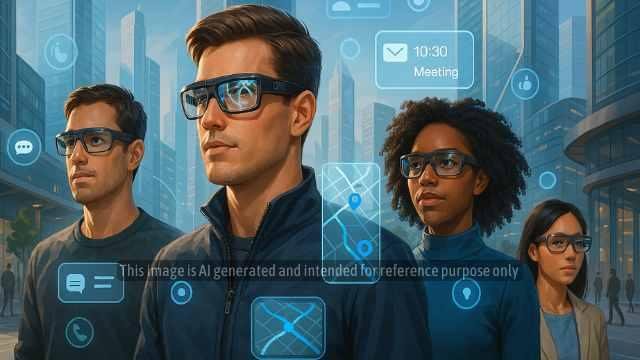
Mark Zuckerberg and his team at Meta believe that smart glasses will be the next big thing. These devices, often seen in prototypes like the Ray-Ban Meta smart glasses, overlay digital information right before your eyes. Picture walking down the street and seeing navigation prompts, notifications, and even live information about the places you pass—all without reaching into your pocket.
3. Advanced AI and New Interfaces by Sam Altman
Sam Altman and his colleagues are working on integrating artificial intelligence into our daily routines. AI can help predict what information you need, when you need it, and even interact with you via voice commands. This level of integration may eventually render smartphones a secondary tool rather than the central hub of our digital lives.
Why Is This Transition Important?
- Less Distraction: Smartphones often distract us with endless notifications and screen time. New technologies promise a more seamless, natural interaction with our digital world.
- Enhanced Functionality: Imagine smart glasses that not only show you directions but also provide real-time updates, or brain interfaces that let you control devices with just your thoughts.
- A New Era of Connectivity: As the metaverse and augmented reality continue to grow, these innovations will reshape how we learn, work, and connect with others.
Real-Life Examples
- On-the-Go Navigation: Instead of stopping to pull out your phone for directions, smart glasses could project a map directly onto your field of view.
- Instant Information: A person shopping could glance at an item and instantly see reviews, prices, and comparisons, all through a subtle digital overlay.
- Hands-Free Communication: Brain-computer interfaces might let you reply to messages or make calls without lifting a finger, keeping you connected effortlessly.
Challenges and Considerations
While these innovations are exciting, several challenges must be overcome:
- Technical Limitations: Current smart glasses have issues like limited battery life and processing power compared to modern smartphones.
- Privacy and Security: With cameras and sensors always active, ensuring your personal data remains safe is a major concern.
- Adoption Barriers: Not everyone may be comfortable with wearable tech—especially those who struggle with new technology or have vision-related issues.
Health Challenges and Risks
As we embrace these emerging technologies, it’s important to also consider potential health challenges and risks:
- Eye Strain and Vision Issues: Extended use of smart glasses could lead to eye fatigue, dry eyes, and headaches. Constant exposure to digital overlays might strain your eyes more than traditional screens.
- Headaches and Migraines: The integration of digital information directly into your field of vision, especially if brightness and contrast are not well calibrated, may trigger headaches or migraines in some users.
- Potential Radiation Exposure: Although current research is still evolving, concerns persist about prolonged exposure to low-level electromagnetic fields (EMF) from wearable devices near the head and eyes. The long-term health effects remain under study.
- Brain-Computer Interface Risks: For invasive brain-computer interfaces, surgical risks include infection, immune reactions, and unforeseen neurological side effects. Long-term impacts on cognitive function and overall brain health need thorough evaluation.
- Cognitive Overload: Constant digital overlays could result in information overload, reducing concentration and increasing mental fatigue, which might lead to stress or decreased productivity.
Ongoing research, rigorous testing, and clear regulatory guidelines will be essential in addressing these health risks as the technology evolves.
Your Future in a Post-Smartphone World
While some experts like Apple’s Tim Cook believe that smartphones still have a long life ahead, the ideas from Musk, Zuckerberg, and Altman invite us to imagine a future where our digital interactions are more natural and less intrusive. Whether or not smartphones completely disappear, it’s clear that the technology we use every day is on the verge of a revolutionary change.
By exploring these exciting trends and potential challenges, we gain insight into a future where technology seamlessly integrates with our daily lives while reminding us to prioritize health and safety. Whether you’re a tech enthusiast, student, or simply curious about what tomorrow holds, these advancements promise to reshape our world—and our way of living.
Disclaimer: This post is intended for informational and educational purposes only and should not be considered as professional advice in the fields of technology, health, or finance. Health-related information provided herein is based on preliminary research and expert opinions available at the time of writing. The potential health challenges—such as eye strain, headaches, radiation exposure, and risks associated with brain-computer interfaces—are emerging concerns that require further scientific study and clinical validation. Readers are encouraged to consult healthcare professionals and reliable sources for personalized advice and to stay updated on new research findings. Additionally, the opinions expressed in this post are subject to change as new information becomes available. The technological advancements discussed may evolve differently than predicted, and regulatory standards or public acceptance could influence their adoption. The author and publisher do not assume any liability for the accuracy, completeness, or usefulness of the information provided. By reading this post, you acknowledge that you are responsible for verifying the information independently and that you agree to hold the author, publisher, and affiliated parties harmless from any direct or indirect losses or damages arising from the use or reliance on this content.








Leave a Reply