
कृपया इसे हिंदी में पढ़ने के लिए यहाँ क्लिक करें
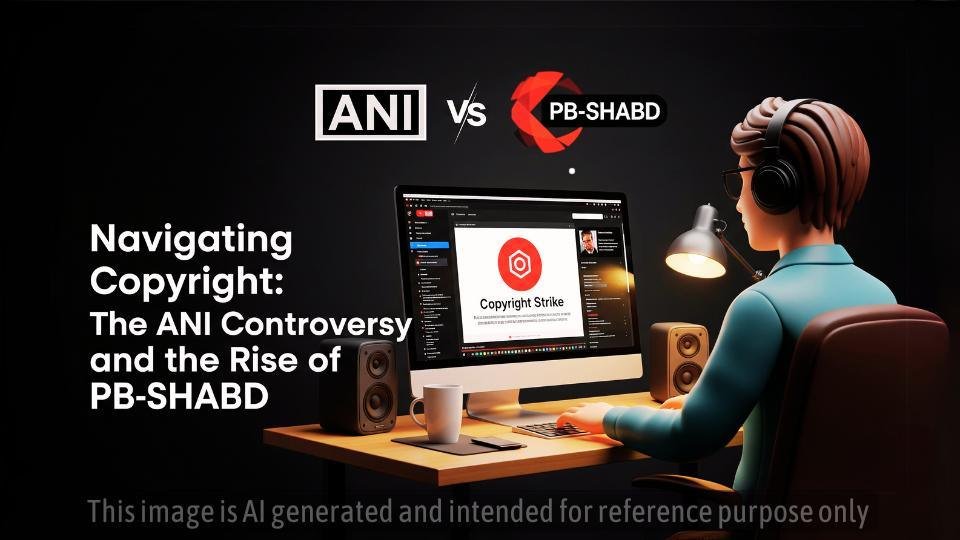
In the ever-evolving landscape of digital content creation, Indian YouTubers recently faced a significant challenge concerning copyright strikes. The controversy centered around Asian News International (ANI), a prominent news agency, and its interactions with content creators over the use of brief news clips. This situation prompted discussions on fair use, copyright enforcement, and the rights of digital creators.
The ANI Controversy: A Brief Overview
The issue came to light when YouTuber Mohak Mangal alleged that ANI issued copyright strikes against his channel for using short clips—ranging from 9 to 11 seconds—in his videos. Mangal claimed that ANI demanded substantial sums, reportedly between ₹45 to ₹50 lakh, to remove these strikes. He described this as an abuse of copyright law, likening it to “extortion”.
Under YouTube’s policy, accumulating three copyright strikes within 90 days can lead to channel termination. This policy places immense pressure on creators, especially when faced with demands for large payments to resolve disputes.
Government’s Response: Introduction of PB-SHABD
In response to the growing concerns among content creators, the Indian government, through Prasar Bharati, launched the PB-SHABD initiative in March 2024. PB-SHABD (Prasar Bharati-Shared Audio-Visuals for Broadcast and Dissemination) offers a repository of copyright-free content, including videos, audio, text, and photos, sourced from Doordarshan, All India Radio, and the Press Information Bureau.
This platform aims to support creators by providing authentic and safe content for use in their projects. Recognizing the challenges faced by smaller media organizations and independent creators, Prasar Bharati extended free access to PB-SHABD until March 2026.
Implications for Content Creators
The ANI controversy highlighted the vulnerabilities of digital creators in the face of stringent copyright enforcement. While protecting intellectual property rights is essential, the situation underscored the need for clearer guidelines on fair use, especially concerning news and educational content.
The introduction of PB-SHABD serves as a significant step toward empowering creators, offering them resources to produce content without the looming threat of copyright strikes. However, the broader conversation about balancing copyright protection with creative freedom continues.






Leave a Reply