
कृपया इसे हिंदी में पढ़ने के लिए यहाँ क्लिक करें
A Nostalgic Backstory: The Barber Shop Secret And Grandmother’s Medicine Box
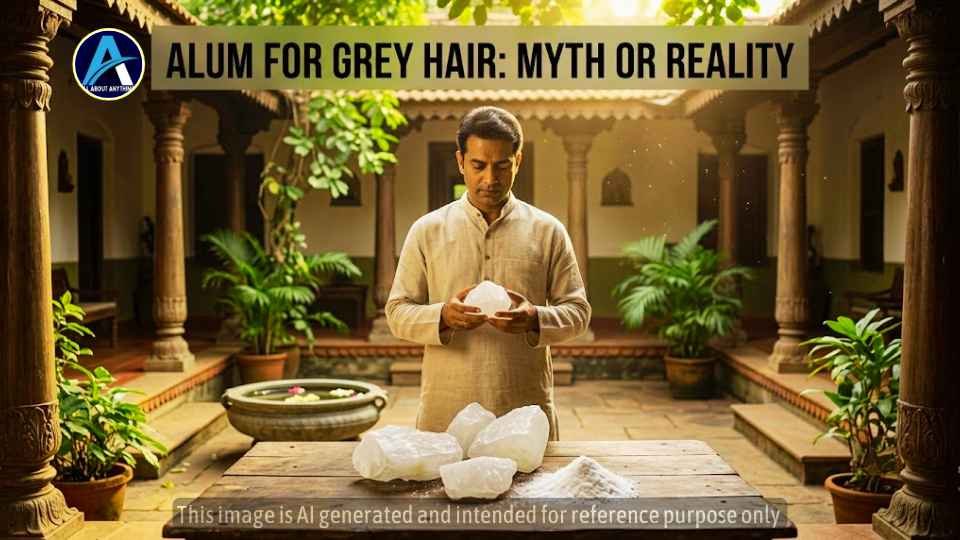
If you grew up visiting traditional neighborhood barbershops in India, you probably remember that cool, translucent white stone the barber pulled out right after giving a haircut. With a swift splash of cold water, he would glide that crystal across your skin. It produced an intense, sharp tingling sensation that instantly made your eyes water, followed by an unmistakable feeling of clean tightness. That miraculous rock was fitkari, also known across the globe as potassium alum. When you got home, your grandmother likely possessed the exact same mineral tucked neatly inside her vintage metal spice cabinet. To our elders, this humble, chalky white lump was not merely a bathroom astringent. It was treated as a sacred multi purpose healer for water purification, mouth ulcers, bleeding scrapes, and even stubborn scalp troubles.
Recently, a viral home remedy has taken social platforms by storm. It claims that simply grinding this ancient mineral into fitkari powder, blending it with fragrant pure rose water, and letting it rest on your scalp for two hours twice a week will magically transform white hair back into jet black strands. But does a simple mineral stone really hold the power to reset human genetics and biological aging, or is there a completely different chemical story happening beneath our follicles?
Understanding The Viral Claim: The Recipe Under The Spotlight
The internet remedy seems deceptively simple. You take a clean block of crystalline potassium alum, crush it into an ultra fine powder, and blend it with chilled gulab jal or rose water until it forms a spreadable paste. The viral formula directs you to apply this mixture thoroughly along your roots, leave it on for two complete hours, and rinse it away with cold water. Proponents promise that repeating this process twice every week will completely reverse silver strands and restore youthful dark hair.
To evaluate whether this works, we must understand the individual characteristics of these two natural elements. Fitkari is a naturally occurring double sulfate salt of potassium and aluminium. It possesses profound antimicrobial properties, powerful antiseptic qualities, and strong astringent characteristics. In ancient Ayurvedic traditions, it is praised for tightening pores, neutralizing harmful bacteria, and clarifying the skin. On the other hand, rose water serves as a gentle hydrator, rich in antioxidants, offering natural anti inflammatory relief and balancing the natural moisture barrier of your scalp.
The Chemistry Of Alum: Ancient Mordant Meets Modern Hair Follicles
Why do people believe alum can darken hair in the first place? The secret lies in traditional textile history. For hundreds of years before synthetic dyes existed, artisans used potassium alum as a potent natural mordant. A mordant is a chemical compound that binds natural color pigments to fabrics and fibers, making dyes much deeper, more vibrant, and resistant to washing away.
When natural hair practitioners combine fitkari with herbal coloring agents like henna, indigo, or roasted amla powder, the alum acts as a catalyst. It alters the surface charge of the hair shaft and anchors those dark plant tannins deeply into the cuticle. When used entirely alone with rose water, however, alum possesses no inherent black dye pigment of its own. It cannot paint the hair follicle black because it is completely devoid of dark chromophores.
Scientific Fact Check: Can White Hair Actually Turn Black Naturally?
To understand why hair turns grey or white, we have to look deep beneath the scalp into the hair bulb. Each strand of hair gets its natural color from specialized cells called melanocytes. These cells generate melanin, the natural pigment responsible for black, brown, blonde, or red tones. As our bodies age, or when we face high chronic stress, nutritional deficiencies, and genetic predispositions, these melanocytes gradually exhaust their production. The follicle begins producing hydrogen peroxide naturally, which bleaches the hair from the inside out, leading to silvery grey strands.
Once a hair follicle completely loses its functional melanocytes, no topical mineral paste can chemically force that cellular engine to spontaneously produce melanin again. While fitkari can strip away oily buildup, chemical residues, and hard water minerals that make grey hair look dingy or yellowish, thereby making hair appear slightly deeper and cleaner, it does not biologically reverse cellular greying on a permanent genetic level.
The Soothing Role Of Rose Water: Natural Scalp Balance
While fitkari does the heavy mineral lifting, pure rose water plays a crucial protective role in this traditional concoction. Raw alum is intensely drying and acidic. Applying pure powdered mineral salt directly to the scalp would leave the skin parched and irritated.
By suspending the mineral in pure distilled rose water, you infuse the treatment with mild hydration, essential vitamins, and soothing flavonoids. Rose water helps balance the natural pH level of the scalp, calms irritation, reduces redness, and provides a pleasant floral scent that counteracts the earthy, metallic aroma of natural alum.
Scalp Clarification And Dandruff Control: The True Benefits
Even though it will not turn mature grey hair back to black overnight, using a careful alum hair wash can provide genuine therapeutic benefits for your scalp environment.
- Eliminating Stubborn Dandruff: Thanks to its aggressive antifungal properties, fitkari helps destroy fungal colonies like Malassezia, which cause chronic flaking, itching, and greasy dandruff.
- Deep Scalp Clarification: If you live in an area with hard groundwater or frequently use synthetic styling gels, your hair shafts become coated in chalky mineral deposits. Fitkari dissolves this buildup, functioning as a natural clarifying cleanser.
- Controlling Excess Sebum: For individuals suffering from an oily, greasy scalp that feels flat by mid afternoon, the astringent nature of alum constricts overactive sebaceous glands, keeping the roots light, fresh, and bouncy.
- Natural Hair Rinse Booster: When used as a very mild, diluted rinse rather than a thick paste, it can enhance hair shine by smoothing ruffled cuticles.
Potential Risks And Hazards: Why Caution Is Essential
Before rushing to your kitchen cabinet, you must understand that potassium alum is a potent astringent mineral salt. Leaving a heavy concentration of alum powder on your scalp for two whole hours, as suggested by viral trends, carries significant risks.
Alum draws moisture out of biological tissue rapidly. Leaving it on your scalp for prolonged durations can cause acute scalp dryness, extreme flaking, intense itching, and chemical irritation. On the hair strands themselves, it can deplete the natural lipid envelope, causing the hair shaft to become brittle, rough, and susceptible to severe hair breakage. If you choose to experiment with natural hair remedies containing fitkari, you should always perform a comprehensive patch test on a small patch of skin behind your ear, reduce application times to fifteen minutes, and always dilute the mixture generously with soothing carrier oils like coconut oil or sweet almond oil.
Empathetic Social Message: Embracing Silver Strands In A Filtered World
In modern society, we are relentlessly bombarded by cosmetic advertisements and curated digital feeds telling us that aging is an embarrassing flaw that must be erased immediately. Silver strands of hair are not signs of physical failure. They are radiant silver threads marking wisdom, lived experience, resilience, and the passage of time. While caring for your scalp health and nourishing your body with wholesome natural ingredients is wonderful, remember that true beauty is never defined by the absence of grey hair. Treat your body with gentleness, release the anxiety surrounding impossible beauty standards, and wear your natural silver crowns with genuine pride and confidence.
Standard Legal Disclaimer: The information provided in this article is for educational, journalistic, and informational purposes only and does not constitute medical, dermatological, or healthcare advice. Home remedies and natural mineral treatments may cause allergic reactions or scalp irritation in sensitive individuals. Always consult a qualified dermatologist or licensed medical practitioner before applying concentrated mineral compounds to your hair or scalp.







Leave a Reply