
कृपया इसे हिंदी में पढ़ने के लिए यहाँ क्लिक करें
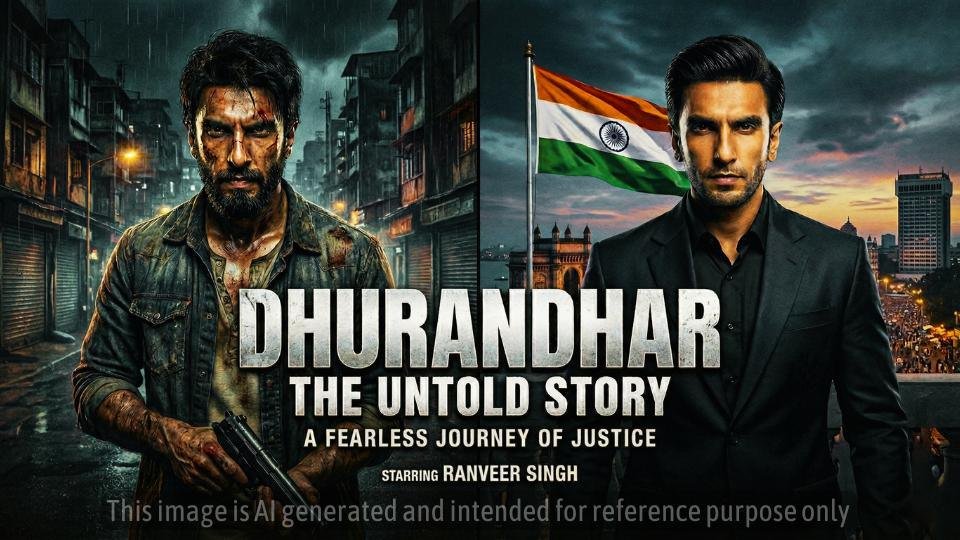
Hello, and welcome to our global news desk, where we dissect the stories that matter with precision, depth, and a 360-degree perspective. Today, we turn our lens to the world of cinema, where a new film, “Dhurandhar,” has done more than just entertain; it has ignited a cultural firestorm, sending tremors across the very foundations of Bollywood’s narrative-building machinery.
In the bustling world of Indian cinema, “Dhurandhar” has become a monumental flashpoint. While audiences are lauding it as a patriotic tour de force, a vocal segment, particularly from the left-liberal ecosystem, is fiercely denouncing it. This isn’t just a simple movie review debate; it’s a clash of ideologies, a war for control over the national story.
The Backstory: Shifting the Cinematic Lens
To understand the current outrage, we must rewind a bit. For decades, a certain narrative has found a comfortable home in Bollywood. A few movies in the past often presented complex issues through a very specific lens. This narrative was largely shaped by a generation of left-leaning writers and filmmakers who rose to prominence in the latter half of the 20th century. With their powerful storytelling, they established a strong foothold, crafting stories that resonated with their worldview, sometimes creating an imbalance in the portrayal of national identity and security.
“Dhurandhar,” directed by the visionary Aditya Dhar, represents a seismic shift. The film presents an unapologetically nationalistic story, glorifying the competence, sacrifice, and strategic brilliance of Indian intelligence agencies without a hint of apology. It has shattered the old template, and this is where the discomfort begins. The established ecosystem finds itself on shaky ground, unable to critique the film on its merits because, frankly, it is exceptionally well-made. This has rattled a system accustomed to controlling the narrative.
Analyzing the Meltdown: What’s Really the Problem?
The backlash against “Dhurandhar” is a multi-layered phenomenon. On the surface, accusations of jingoism and historical revisionism are being thrown around. However, the true source of the angst seems to be the film’s success in breaking the monopoly on what is considered “sophisticated” or “artistic” cinema.
“Dhurandhar” has proven that a film can be deeply patriotic and still be a masterpiece of storytelling and technical finesse. This has left many critics unsettled, as they can no longer dismiss such films as crude propaganda.
The film’s use of real-life events, particularly the harrowing 26/11 Mumbai attacks, lends it a raw, undeniable realism. This emotional weight makes it difficult for detractors to debunk its core message. The pain, the resolve, and the triumph are not fictional constructs; they are a part of the nation’s collective memory, and “Dhurandhar” taps into that powerful sentiment.
A New Dawn for Indian Cinema?
“Dhurandhar” may very well be a watershed moment for Bollywood, heralding an era of more confident, authentic, and unapologetic Indian storytelling. The film has demonstrated that patriotism and high-quality art are not mutually exclusive. It has shown that a story can inspire national pride without resorting to empty sloganeering.
This film’s reception has also put a spotlight on the ideological biases that have long influenced film criticism in India. Many critiques seem to be a knee-jerk reaction to its nationalistic themes rather than an objective evaluation of its cinematic achievements.
A Powerful Social Message: Unity is Our Strength
Beyond the political debate, “Dhurandhar” delivers a vital social message: national security is a collective responsibility. It is a powerful call for unity and vigilance, reminding every citizen that the fight against forces that wish to harm the nation is not a partisan issue. The film’s depiction of a united India—citizens, agencies, and government working in concert—is a vision that resonates deeply in today’s global climate.
It is a moving reminder that in a world full of challenges, the ultimate strength of a nation lies in its people standing together, firm in their resolve to protect its sovereignty, its culture, and its future.
Disclaimer: This article is based on publicly available information and analyses from various sources. It is intended for informational and discussion purposes only. The views and opinions expressed herein are those of the author and the publication, reflecting our in-depth journalistic analysis. They do not necessarily represent the official policy or position of any other organization or individual. While every effort has been made to ensure accuracy, we make no warranties regarding the absolute completeness or reliability of the information. This content should not be taken as legal, political, or financial advice. Readers are encouraged to consume a wide range of media and form their own informed opinions.








Leave a Reply