
कृपया इसे हिंदी में पढ़ने के लिए यहाँ क्लिक करें
A severe shortage of Liquefied Petroleum Gas (LPG) is sending shockwaves through India’s vibrant hospitality industry, forcing thousands of restaurants to curtail their menus, and in some cases, shut down completely. The crisis, which has been escalating over the past few weeks, is impacting major cities including Bengaluru, Chennai, Mumbai, and Lucknow, leaving restaurant owners and staff in a state of panic and uncertainty.
The Heart of the Crisis: A Perfect Storm
The current LPG crisis is the result of a “perfect storm” of international and domestic factors. Tensions in the Middle East, particularly the conflict involving Iran and Israel, have disrupted key energy shipping routes, impacting India’s LPG imports. India, which imports a significant 85% of its LPG from the Middle East, is particularly vulnerable to such disruptions.
Compounding the problem is a recent government order that has prioritized the supply of LPG for domestic households. On March 9, 2026, the Indian government issued the Natural Gas (Supply Regulation) Order, 2026, which has been a major point of contention. The order categorizes consumers into different priority levels to manage the limited supply. While households (Priority I) are assured up to 100% of their average consumption, restaurants and other commercial establishments have been placed in a lower priority category, leading to a drastic reduction, and in many cases, a complete halt in their supply of commercial LPG cylinders.
Restaurants Face the Heat
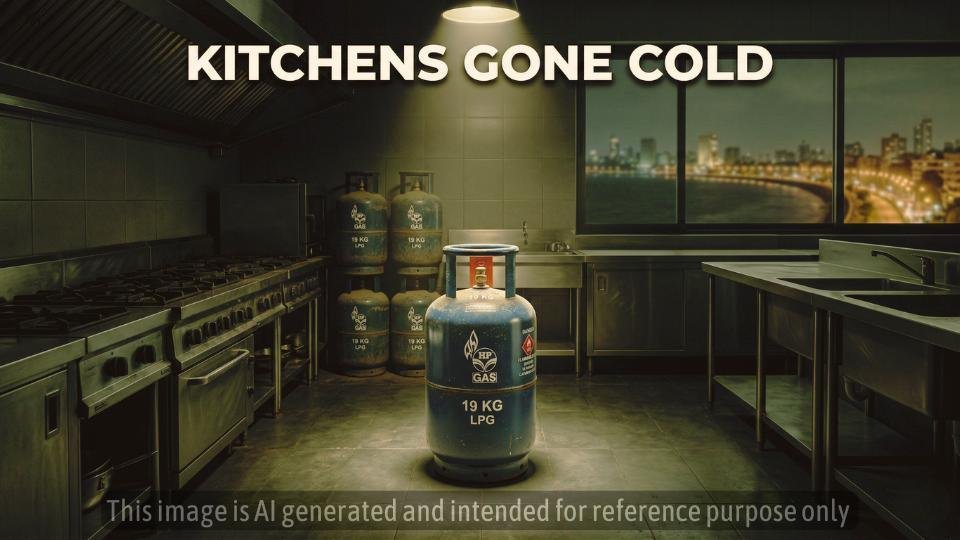
The impact on the restaurant industry has been immediate and severe. Across the country, kitchens are going quiet.
- Mumbai: Approximately 20% of hotels and restaurants have already been forced to close. Hospitality bodies warn that if the situation doesn’t improve, this number could rise to 50%.
- Bengaluru: Restaurants across the city are on the verge of shutting down their services due to the uncertain supply of commercial LPG cylinders.
- Lucknow: The situation is equally grim, with many restaurants struggling to keep their kitchens running.
Restaurant owners are now facing an agonizing choice: either shut down their businesses or turn to desperate measures. Many have already started to trim their menus, removing dishes that require a lot of gas to prepare. Buffets and large catering orders are also being refused. Some are experimenting with induction cooktops and electric stoves, but these are not always suitable for the high-flame cooking required for many Indian dishes. In a more desperate move, some smaller eateries are even resorting to using firewood.
The shortage has also given rise to a flourishing black market for commercial LPG cylinders. Desperate restaurant owners are reportedly paying double the regular price to secure cylinders, further adding to their financial woes.
The Human Cost and a Social Message
The LPG crisis is not just about financial losses; it’s about people and their livelihoods. The hospitality industry is a massive employer in India, and the closure of restaurants has a direct impact on the lives of millions of cooks, waiters, and other staff. It also affects the vast ecosystem of suppliers and vendors who depend on this industry.
This crisis also serves as a stark reminder of our dependence on fossil fuels and the fragility of our supply chains. It is a wake-up call for us to explore and invest in alternative and more sustainable sources of energy for our commercial and domestic needs. While prioritizing households is understandable, a more balanced approach that also considers the significant contribution of the hospitality sector to the economy and employment is crucial.
What Lies Ahead?
The government has asked oil refineries to boost LPG production, but the situation on the ground remains grim. The restaurant industry, represented by bodies like the National Restaurant Association of India (NRAI), is in urgent talks with the government, pleading for a resolution. They are demanding that restaurants be declared an “essential service,” ensuring them a more consistent supply of LPG.
The coming days will be critical. If the supply is not restored, a significant portion of India’s restaurants could be forced to close their doors, leading to massive job losses and a severe blow to the economy. The sizzle of the great Indian restaurant scene is at risk of being silenced, and a swift and effective solution is the need of the hour.
Disclaimer: This article is based on information available. The situation is rapidly evolving, and the details mentioned here may change. This article is intended for informational purposes only and does not constitute financial or legal advice. Readers are advised to verify any information before making decisions based on it.








Leave a Reply