
कृपया इसे हिंदी में पढ़ने के लिए यहाँ क्लिक करें
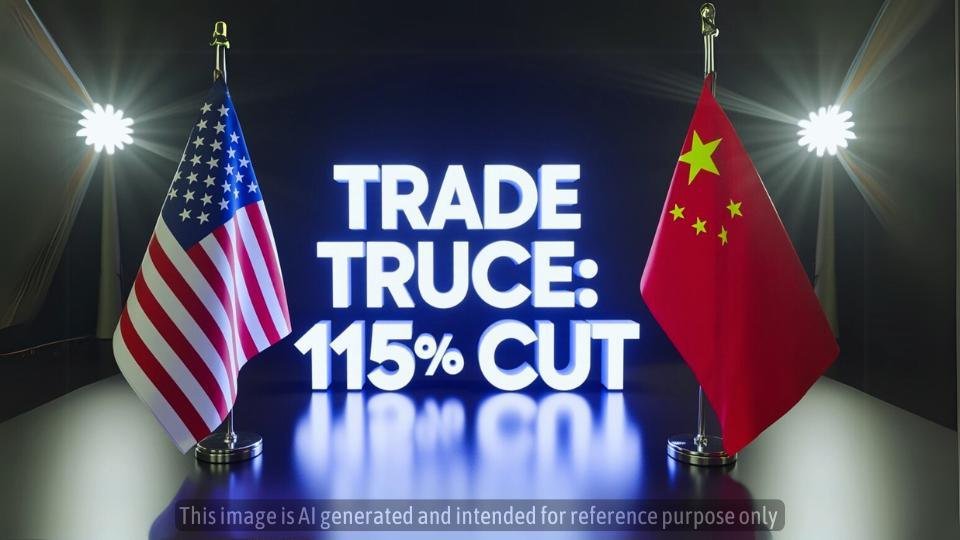
On May 12, 2025, after intensive talks in Geneva, the United States and China agreed to a temporary 90-day pause in escalating tariff measures, cutting reciprocal rates by 115 percentage points to ease trade tensions and give negotiators time to work on a more lasting deal. Under the truce, U.S. duties on Chinese goods fell from 145% to 30%, while China’s tariffs on U.S. imports dropped from 125% to 10%. The announcement immediately lifted global markets, as investors cheered a reduction in the risk of further economic disruption.
Background
Rise of Reciprocal Tariffs
- In early April 2025, the U.S. imposed “reciprocal tariffs” of up to 145% on Chinese goods, aiming to pressure China on trade imbalances and supply-chain security.
- China retaliated with duties as high as 125% on U.S. exports, including critical minerals and agricultural products.
- The sharp escalation sparked fears of a full-blown trade war, causing stock markets to wobble and prompting shortages in some raw-material markets.
Geneva Negotiations
- U.S. Treasury Secretary Scott Bessent and Trade Representative Jamieson Greer flew to Geneva for urgent weekend talks with Chinese Vice Premier Li Xi and Commerce Minister Wang Wentao.
- Both sides entered with a shared goal: prevent further decoupling of their economies and avoid pushing up costs for consumers and businesses.
Key Details of the Deal
- Duration: 90 days, starting May 12, 2025, to allow in-depth discussions on structural issues.
- Tariff Cuts: U.S. cuts from 145% → 30%; China cuts from 125% → 10%.
- Scope: 91% of existing tariffs canceled, another 24% suspended for the truce period.
- Baseline Tariff: A 10% rate remains in place for both sides, maintaining a modest trade-policy lever.
- Additional Measures: China agreed to suspend new export controls on U.S. goods, including certain semiconductor materials.
Market and Business Impact
- Global Stocks: U.S. futures and European markets rallied sharply, with S&P 500 futures up over 3% in early trading.
- Currency and Bonds: The dollar strengthened, while 10-year U.S. Treasury yields rose on reduced recession bets.
- Oil and Commodities: Brent crude climbed as demand expectations brightened; industrial metals saw a modest recovery.
- Analyst Views: ING lifted China’s 2025 GDP forecast to 4.7%, citing stronger export prospects; some experts remain cautious about durability.
Reactions and Opinions
- U.S. Officials: Scott Bessent hailed the deal’s spirit of “mutual respect” and saw it as a platform for tackling core issues like intellectual-property protection.
- Chinese Officials: Vice Premier Li Xi emphasized China’s readiness for “equal consultation” and stressed stability in global supply chains.
- Economists: Some, like Zhiwei Zhang of Deutsche Bank, called the breadth of cuts “surprisingly positive,” while others warned the pause could simply delay future flare-ups.
Ground-Level Anecdote (with a Dash of Humor)
In downtown Shanghai, shop owner Li Mei quipped, “I hope these lower tariffs mean cheaper sneakers—I need faster feet if tariff talks drag on!” Meanwhile in Wisconsin, dairy farmer Tom Carlson jokes, “If they extend the cuts to cheese, I might start exporting moonshine!” These lighthearted takes reflect how everyday folks pin their hopes on policy shifts—hoping for savings, not just headlines.
Little-Known Facts
- Historical First: This is the first time the two nations have jointly cut reciprocal tariffs by over 100 percentage points in a single agreement.
- In-Transit Exemptions: Goods already en route before May 27, 2025, keep their pre-truce duties, avoiding shipment chaos.
- Fentanyl-Related Tariff: A 20% levy related to fentanyl crackdown remains on certain Chinese chemical imports despite broader cuts.









Leave a Reply