
कृपया इसे हिंदी में पढ़ने के लिए यहाँ क्लिक करें
Hello, readers, and welcome back to our global news desk, where we bring truth to the forefront. Today, we’re diving deep into the device you’re likely using to read this: your smartphone. It’s our connection to the world, but is its most vital component, the battery, telling you the truth? We’re about to uncover a murky world of battery manipulation that affects both new and used phones, a clever deception designed to trick you into spending more.
A Backstory: The Allure of the Second-Hand Market
The market for used and refurbished smartphones is booming. Who wouldn’t want a flagship phone at a fraction of the price? When hunting for a deal, one of the first things savvy buyers check is the battery’s health. But this is where the first, and perhaps most widespread, scam begins. In bustling markets, from Delhi to online forums, a fraudulent practice has become alarmingly common.
The Great Deception: Faking 100% Battery Health
Imagine you find a great deal on a used iPhone. The seller shows you the settings: “Battery Health: 100%.” It seems like a brand-new device! But hold on. How is this possible for a phone that’s a year or two old?
This is a deliberate trick. Here’s how it works:
- The Magic Chip: Every smartphone battery has a small microchip. This chip communicates with the phone’s software, telling it the battery’s health percentage and how many “charge cycles” it has been through (a full charge from 0 to 100% and back to 0 is one cycle).
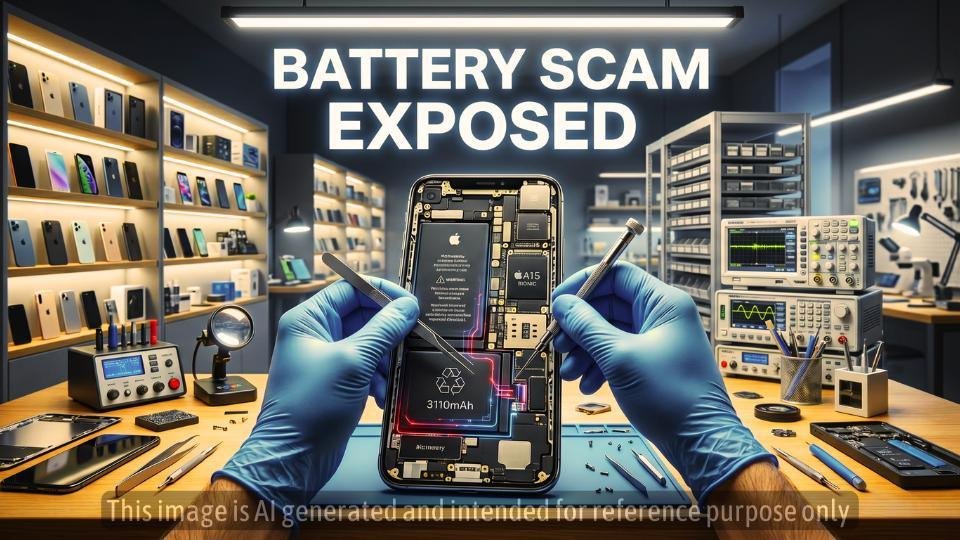
- The Manipulation: Scammers use a special device to reset this chip. They can make a battery that has been used for years, with a true health of 70%, appear to be at 100% with zero charge cycles.
- The Impossible Truth: A used phone simply cannot have zero charge cycles. A brand-new battery doesn’t even have zero cycles, as it undergoes several rounds of testing for quality control before it ever leaves the factory. If you see a three-year-old phone with zero charge cycles, it’s a massive red flag. You’re being sold a lie, and that battery will likely fail you much sooner than you expect. This is a common issue with second-hand phones.
The Trojan Horse in Your Pocket: Planned Obsolescence Through Updates
The second scam is more subtle and comes directly from some manufacturers. Have you ever noticed your phone suddenly becoming slower or the battery draining much faster after a software update? This isn’t always a coincidence. This practice is known as “planned obsolescence.”
- Software-Induced Aging: Companies can push software updates that manipulate how your phone’s hardware performs. These updates can make the battery’s management system “think” the battery is older and less capable than it really is.
- Aggressive Degradation: The software can be programmed to report drastically increased charge cycles or lower health percentages than are physically true. For instance, even if your battery has only gone through four real cycles, the software might report 16 or 32, making the health appear poor.
- The Motive? Sales: Why would they do this? It’s simple. When you believe your phone’s battery is failing, you are much more likely to abandon it and buy a new one, boosting the company’s sales. It turns your perfectly good device into a “problem” that needs replacing. This software-driven manipulation forces you to upgrade sooner than necessary.
A Social Message: Be an Informed Consumer
These practices thrive on a lack of consumer awareness. Companies have a responsibility to be transparent about battery life and the effects of their software updates. As consumers, we have the right to devices that last and are not secretly programmed to fail. By being aware of these tricks, you can protect yourself.
How to Protect Yourself:
- Buying Used: Be extremely skeptical of “100% battery health” on older devices. Reputable sellers will often disclose the real battery health, which is usually certified to be at least 80%. Ask for diagnostic reports if possible and always check the return policy.
- Software Updates: If your phone’s performance drops significantly after an update, research online to see if other users are experiencing the same issue. It may be a deliberate tactic to encourage upgrades.
Don’t let these tricks drain your battery and your bank account. Stay informed, stay vigilant, and demand better from the companies you support.







Leave a Reply