
कृपया इसे हिंदी में पढ़ने के लिए यहाँ क्लिक करें
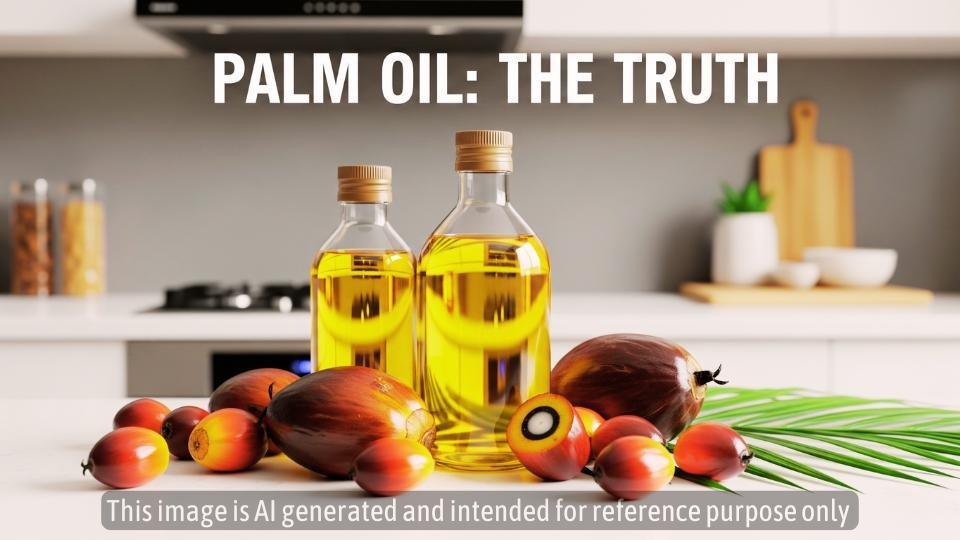
Is palm oil the villain it’s made out to be, or is there another side to the story? This question has likely crossed your mind, especially with the “No Palm Oil” campaign gaining momentum. Today, we’ll peel back the layers of this heated debate and uncover the surprising truths about one of the world’s most consumed edible oils.
A Glimpse into the Past: Palm Oil in Traditional Diets
For generations, our ancestors used various oils, including palm oil, without the health concerns that are so prevalent today. But as multinational companies entered the market, a narrative began to form that painted traditional fats and oils as unhealthy. This set the stage for a dramatic shift in consumer perception, with palm oil often finding itself in the crosshairs.
The Great Palm Oil Debate: Good, Bad, or Misunderstood?
The modern health-conscious consumer is often left bewildered. Is expensive olive oil the only healthy option? Should you switch to coconut oil? Or is there more to the story? While many have pointed fingers at palm oil as a primary contributor to health issues, a closer look at the science reveals a more nuanced picture.
The Indian government, in a March 2025 parliamentary address, stated that there is no unanimous scientific evidence to suggest adverse health effects from palm oil consumption. This aligns with the recent dietary guidelines for 2024, released by the Indian Council of Medical Research (ICMR) and the National Institute of Nutrition (NIN). These guidelines have brought a fresh perspective to the palm oil debate, acknowledging its nutritional value when consumed in moderation.
Here’s what these prestigious institutions have to say:
- A Balanced Fatty Acid Profile: Palm oil is rich in monounsaturated fatty acids, similar to groundnut, cottonseed, sesame, and olive oils. It also contains a balanced mix of saturated, monounsaturated, and polyunsaturated fats.
- Cholesterol-Free: Like all vegetable oils, palm oil is cholesterol-free.
- Rich in Nutrients: Palm oil is a good source of vitamins A and E, which are beneficial for immunity and skin health. It also contains antioxidants like tocopherols and tocotrienols, which help combat free radicals and may contribute to lowering blood cholesterol.
So, Why the Controversy?
If palm oil has these benefits, why has it been so heavily criticized? The answer often lies in fear-based marketing and a lack of complete information. The “No Palm Oil” labels on many products are often a marketing gimmick designed to appeal to consumer fears, without telling the whole story.
Experts like Dr. Kavita Bhatnagar, a food technologist and nutritionist, and Dr. Rachna Khanna Singh, a psychologist and mental wellness expert, suggest that influencers and fear-based marketing have played a significant role in shaping public opinion. The truth is, any oil consumed in excess can be detrimental to health. The key, as with any food, is moderation and a balanced diet.
The Bigger Picture: Palm Oil’s Economic and National Importance
Palm oil is not just about health; it’s also a vital part of the economy. It is an affordable and versatile oil used in a vast array of products, from cosmetics to processed foods. In fact, many top brands like L’Oréal and Estée Lauder use palm oil in their products for its moisturizing and stabilizing properties.
Recognizing its economic significance, the Indian government has launched the National Mission on Edible Oils – Oil Palm (NMEO-OP). This initiative aims to boost palm oil production in India, making the country more self-reliant and reducing its dependence on imports. The mission, with a budget of Rs. 11,040 crores, is projected to significantly increase the area under oil palm cultivation by 2025-26.
A Message for Our Readers
In an age of information overload, it’s easy to be swayed by trending narratives. But as responsible consumers, it’s our duty to look beyond the headlines and seek out the facts. Palm oil, when consumed as part of a balanced diet and in moderation, is not the villain it has been portrayed to be.
The next time you hear “No Palm Oil,” remember to ask, “Know Palm Oil?” Take the time to understand the science, the economics, and the broader context before making your a decision. Your health and your wallet will thank you for it.
Disclaimer: This blog post is for informational purposes only and should not be considered as medical advice. The information provided is based on various sources and research available at the time of writing. We have made every effort to ensure the accuracy and completeness of the information, but we do not make any warranties or representations as to the suitability or applicability of the information for any particular purpose. Readers are advised to consult with a qualified healthcare professional or nutritionist for any health-related concerns or before making any dietary changes. The views and opinions expressed in this article are those of the author and do not necessarily reflect the official policy or position of any agency, organization, or company. The author and the publisher of this blog post shall not be held responsible for any losses, damages, or adverse consequences arising from the use of the information provided herein.








Leave a Reply