
कृपया इसे हिंदी में पढ़ने के लिए यहाँ क्लिक करें
Introduction
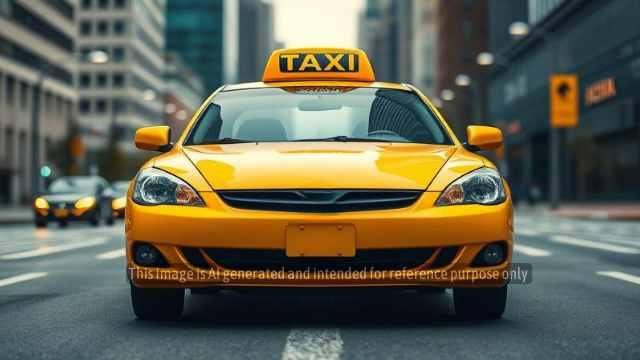
In a bold move to address long-standing grievances in India’s ride-hailing sector, the government has unveiled Sahkar Taxi, a cooperative-based service set to challenge giants like Ola and Uber. Announced by Union Home Minister Amit Shah in Parliament on March 27, 2025, this initiative aims to eliminate middlemen, ensure fair pricing, and empower drivers by letting them retain 100% of their earnings. The service, part of PM Narendra Modi’s “Sahkar Se Samriddhi” (Prosperity through Cooperation) vision, is expected to roll out nationwide in the coming months.
What is Sahkar Taxi Service?
Sahkar Taxi Service is a government-backed cooperative platform where drivers register through local cooperative societies. Unlike Ola and Uber, which charge 20–30% commissions, Sahkar Taxi allows drivers to keep their full earnings. The service will include:
- Auto-rickshaws
- Two-wheelers (bike taxis)
- Four-wheelers (cars).
A cooperative insurance company will also be established to provide financial security to drivers, addressing risks like accidents or income loss.
Why Sahkar Taxi? Addressing Concerns with Existing Platforms
- Driver Exploitation: Ola and Uber drivers have protested low earnings due to high commissions and opaque algorithms. For instance, Hyderabad drivers recently launched a ‘No AC’ campaign to protest unsustainable fares.
- Consumer Distrust: The Central Consumer Protection Authority (CCPA) investigated claims of discriminatory pricing—higher fares for iPhone users vs. Android users. While companies denied it, a viral 2024 social media post showing differing fares sparked outrage.
- Lack of Transparency: Critics argue private platforms prioritize profits over fairness, with drivers having little say in pricing or policies.
Advantages of Sahkar Taxi
- Full Earnings for Drivers: No commission cuts mean higher take-home pay.
- Transparent Pricing: Fare structures will account for fuel costs, maintenance, and fair wages, avoiding surge pricing gimmicks.
- Local Empowerment: Cooperatives enable community-driven decision-making, aligning with grassroots economic growth.
- Insurance Safety Net: The planned cooperative insurance will protect drivers from financial shocks.
Similar Initiatives in Other States
- Yatri Sathi (West Bengal): Offers affordable fares and supports local language bookings.
- Namma Yathri (Karnataka): Ensures profits go directly to drivers.
- National Tourism and Transport Cooperative Federation (2022): Apex body’s earlier attempt at cooperative ride-hailing.
Challenges Ahead
- Competing with Giants: Ola and Uber dominate India’s 23.4 billion taxi market, projected to hit 23.4 billion taxi market,projected to hit 44 billion by 2030.
- Operational Hurdles: Managing cooperatives requires training drivers in tech, finance, and customer service.
- Consumer Adoption: Will users switch from established apps? Reliability and app functionality will be key.
Broader Implications
- Gig Economy Reform: Could inspire cooperative models in food delivery, e-commerce, and more.
- Policy Shift: Reflects the government’s push to regulate digital platforms while promoting cooperatives.
- Job Creation: Expected to boost entrepreneurship in rural and urban areas.
Conclusion
Sahkar Taxi is more than a transport service—it’s a socio-economic experiment. By prioritizing fairness over profit, it challenges the status quo of the gig economy. While hurdles like scaling and user adoption remain, the initiative signals a transformative step toward equitable growth. As Amit Shah stated, “This is not just a slogan; it’s prosperity through cooperation.
Disclaimer: This article is for informational purposes only and reflects the views and research conducted at the time of publication. The content is based on current government announcements, expert opinions, and community feedback. Readers are advised to verify details from official sources before making any decisions based on the information provided. The views expressed here are subject to change as the initiative evolves. No liability is assumed for any discrepancies or inaccuracies in the content.






Leave a Reply