
कृपया इसे हिंदी में पढ़ने के लिए यहाँ क्लिक करें
1. Growing Trend: Social Media & Fake Apps as Bait
- WhatsApp/Telegram/Meta ads: Scammers emulate brokers or financial influencers, advertise “guaranteed returns,” then shift conversations to WhatsApp or Telegram where they introduce proprietary crypto bots or trading apps.
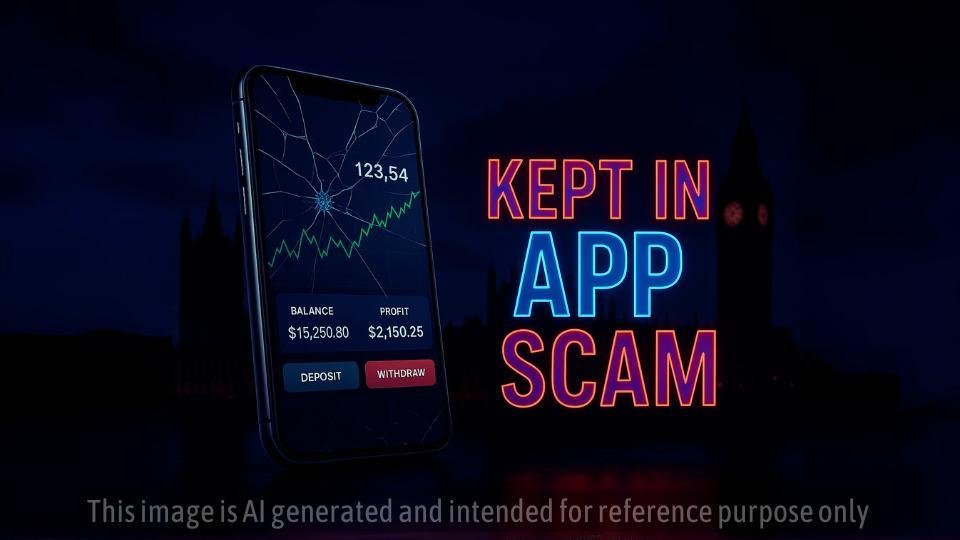
- Fake trading apps: These apps display impressive, but entirely fabricated, dashboards showing profits. Users feel confident and invest more—until they can’t withdraw .
2. Real Victims, Real Losses
- In Mumbai, a 72‑year‑old investor lost nearly ₹52 lakh after being lured into a fake app called “HSSSPMA,” believing he was investing in IPOs.
- In Ahmedabad, a 49‑year‑old scientist fell for Facebook‑to‑WhatsApp investment lures, losing ₹2 lakh across multiple transfers before halting payment and reporting.
3. International Fake-Center Operations
- Mohali bust: Police dismantled two call centers that used fake stock alerts and crypto-payment scams via PayPal, Amazon, gift cards, and cryptocurrency—total losses over ₹50 crore; suspects laundering via hawala.
- Bangkok raid: In April 2025, Thai authorities arrested 13 operators, including Australians, from a mansion-based call center targeting Australians via scripted pitches for fake high-yield bonds—over $1.9 million stolen in just two months.
4. Modus Operandi Breakdown
- Target selection: Ads on Facebook, Instagram, dating apps, WhatsApp groups. AI‑generated profiles or deepfake voices enhance credibility .
- Trust building (“pig-butchering”): Scammers nurture relationships—empathy, personal stories, fake success—then swing to investment offers.
- Fake gains & tricks: User sees platform profits; then urgent requests: fees, taxes, loans, or access only via new apps—funds get moved, never withdrawn.
- Withdrawal impossible: They freeze accounts, invent “tax issues,” ask for extra money—and vanish.
5. Large-Scale Crypto & Stock Fraud
- U.S. pig‑butchering: $37 million laundered through Cambodia scam ring; scammers use dating and social apps to lure U.S. victims.
- Nasdaq “pump-and-dump” schemes: Tens of thousands of U.S. investors trapped by Chinese stock scams promoted via social media and WhatsApp; one case involved over $480 million.
- Blockchain-based crypto scams: Fake investment platforms impersonate banks or exchanges; in Europe, over €3 million lost and criminal networks busted across five countries.
6. Emerging AI & Deepfake Risks
- AI-generated ads: Regulatory bodies in Canada and Europe report AI-generated videos and graphics elevate scam legitimacy—38% expect this trend to rise in 2025.
- Deepfake impersonation: In the UK, scammers use deepfake voices of known analysts—e.g., Michael Hewson—to push investment pitches via social media.
7. Responses from Authorities & Platforms
- New York enforcement: AG Letitia James froze $300k in crypto tied to Russian‑language Facebook ads; Meta shut 700+ scam accounts.
- India’s SEBI: Issued May 21 advisory warning against fake WhatsApp/Telegram stock advice and guaranteed profit pitches.
- Meta: Launched global campaigns to help users spot and avoid crypto coach scams; partners include cybersecurity experts and regulators in Asia.
- International cooperation: Eurojust/Europol collaborated with Germany, Cyprus, UK to break €3 million investment fraud syndicate.
8. How to Stay Safe
- Verify: Always confirm credentials—use official broker check tools like FINRA, SEC, SEBI.
- Avoid unknown apps: Download only from official stores; check app developer legitimacy.
- Red flags: Emotional timelines, shifting to encrypted chats, pressure to invest fast.
- Start small: Don’t pour all savings; ask trusted financial advisors.
- Report: Immediately alert cybercrime units, banks, or call national helplines (e.g., India’s 1930).









Leave a Reply