
कृपया इसे हिंदी में पढ़ने के लिए यहाँ क्लिक करें
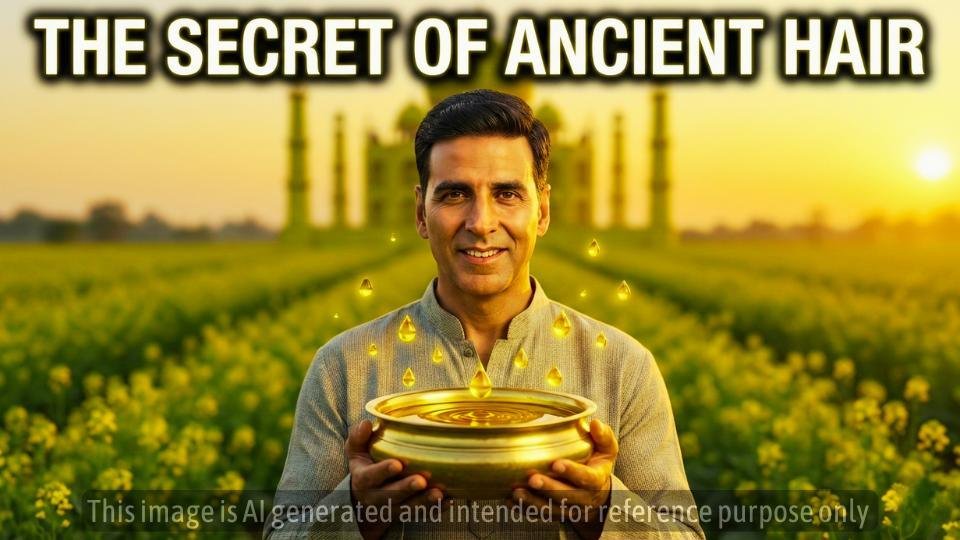
In a world filled with countless bottles of fancy, high-priced hair serums and conditioners, each promising miraculous results, an age-old secret, humbly sitting in our kitchens, is making a huge comeback. We’re talking about mustard oil, or as our grandmothers fondly call it, “Sarso ka Tel.” For generations, this golden, pungent oil has been the go-to solution for all hair troubles. But is it just an old wives’ tale, or is there real science behind its magic? Let’s dive deep and uncover the truth.
A Little Backstory: More Than Just an Oil
For centuries in India, mustard oil has been more than just a cooking ingredient. It’s a part of our culture. From warming up the body in winters to wrestlers (pehalwans) using it to strengthen their muscles and hair roots before a match, this oil has been a trusted companion. The logic of our ancestors was simple: instead of changing the product (the bottle), they focused on strengthening the foundation (the root). While we are busy trying new products for our hair problems, they trusted this single, powerful ingredient. And now, modern science is starting to agree with their ancient wisdom.
The Science Behind the Magic, in Simple Words
You might be surprised to know that the secret to mustard oil’s success isn’t magic, but a perfect blend of powerful natural compounds.
- A Warm Hug for Your Scalp: Unlike coconut oil which has a cooling effect, mustard oil is naturally warming. When you massage it onto your scalp, it gently increases the temperature and boosts blood circulation. This process is like opening up tiny pathways to rush more oxygen and nutrients directly to your hair roots, encouraging them to grow stronger and healthier.
- The Real Food for Your Hair – Vitamin A: The vibrant yellow color of mustard oil comes from a special compound called Beta-Carotene. Once you apply it, your body cleverly converts this into Vitamin A. Vitamin A is the ultimate food for your hair follicles, nourishing them from within. No expensive serum can provide this direct and natural form of nourishment.
- The Dandruff Destroyer – Allyl Isothiocyanate: That strong, sharp smell of mustard oil? That’s its secret weapon. It comes from a compound called Allyl Isothiocyanate. This compound is a powerful natural anti-fungal agent. It directly attacks and destroys the bacteria and fungus that cause dandruff, itchiness, and other scalp infections, cleaning your scalp from the root.
- Nature’s Own Silicone Coat: Many modern conditioners use silicones to give hair a shiny, smooth finish. Mustard oil does this naturally. Its thick consistency and high refractive index coat each strand of hair, protecting it from pollution and sun damage while giving it a beautiful, natural shine without any harmful chemicals.
From Our Grandmothers’ Hands to Modern Labs
The beauty of mustard oil lies in its simplicity and effectiveness. In a time when we are becoming more aware of the chemicals we put on our bodies, returning to natural, time-tested remedies feels right. It’s about trusting the wisdom passed down through generations—a wisdom that is now being backed by scientific research which highlights its antimicrobial, anti-inflammatory, and circulation-boosting properties.
A Social Message: Connect with Your Roots
In our fast-paced lives, it’s easy to get attracted to shiny new products. But sometimes, the best solutions are the ones that have been with us all along. The story of mustard oil teaches us a valuable lesson: to look back at our roots and appreciate the simple, powerful wisdom of our ancestors. Choosing natural remedies is not just good for our hair, but also for our planet. It’s a gentle reminder that nature is the best healer.
Disclaimer: The information provided in this article is for general informational purposes only and is based on traditional knowledge and publicly available information. It is not intended as, and should not be considered, a substitute for professional medical advice, diagnosis, or treatment. Always seek the advice of your physician or other qualified health provider with any questions you may have regarding a medical condition. Individual results may vary. Please perform a patch test on a small area of your skin before applying mustard oil to your scalp and hair to check for any allergic reactions. The authors and publishers of this article are not responsible for any adverse effects or consequences resulting from the use of any suggestions or information provided.








Leave a Reply